Lucas Odahara
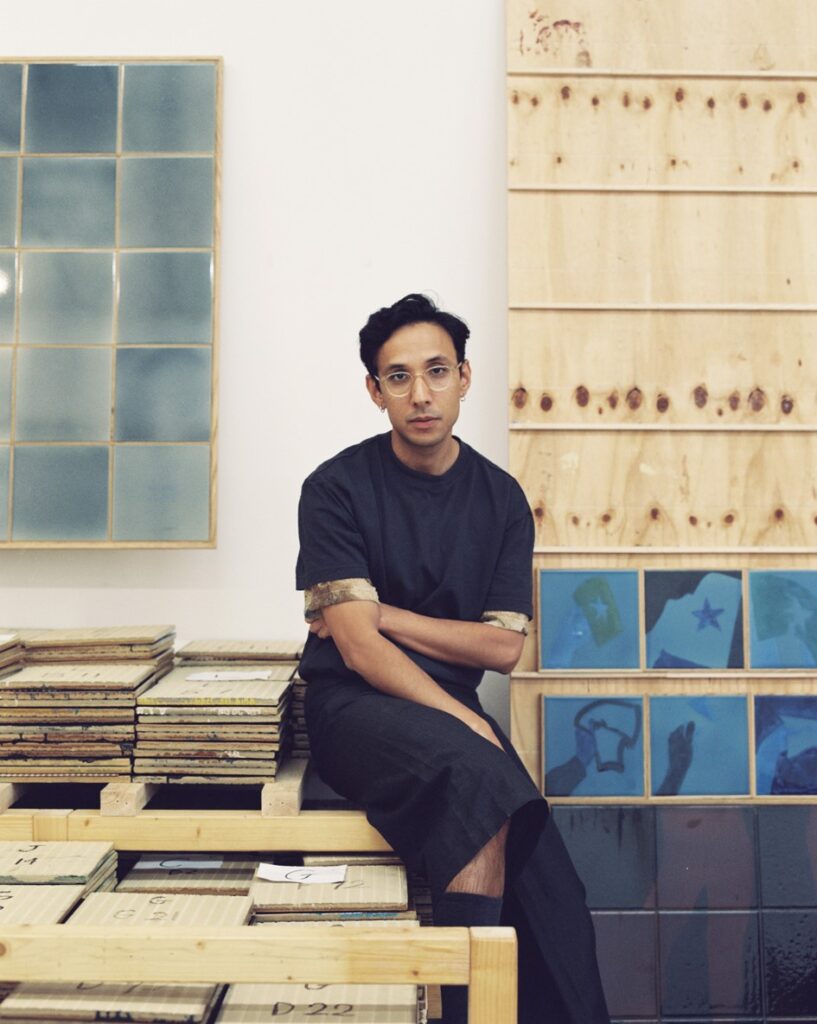
Based between São Paulo and Berlin
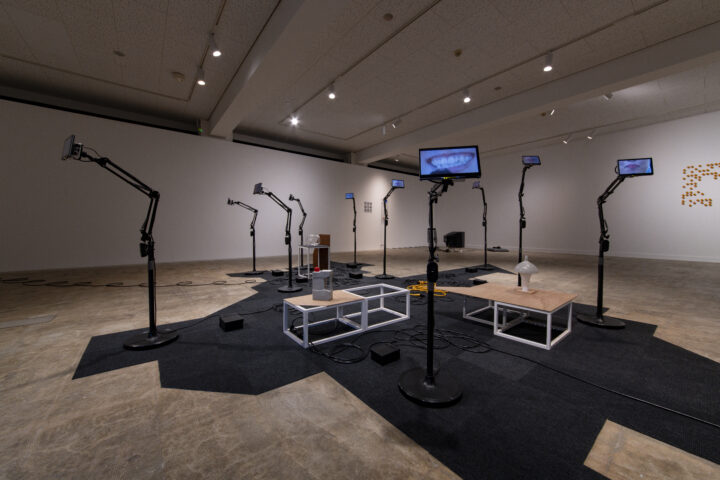
2025 (solo) David Peter Francis gallery (New York, USA)
2024 Residency at the Jan van Eyck Academy (Maastricht, Netherlands)
2024 A Home for Something Unknown, Neue Berliner Kunstverein (n.b.k.) (Berlin, Germany)
2023 Ich bin anders, weil ich kann das. Stranger belongs to me, Taxis Palais Kunsthalle Tirol (Innsbruck, Austria)
2022 Winner, the Berlin Art Prize
[Residence Program] Jan 13, 2026〜Mar 25, 2026
Lucas Odahara Official Website
Lucas Odahara Official Instagram
Profile
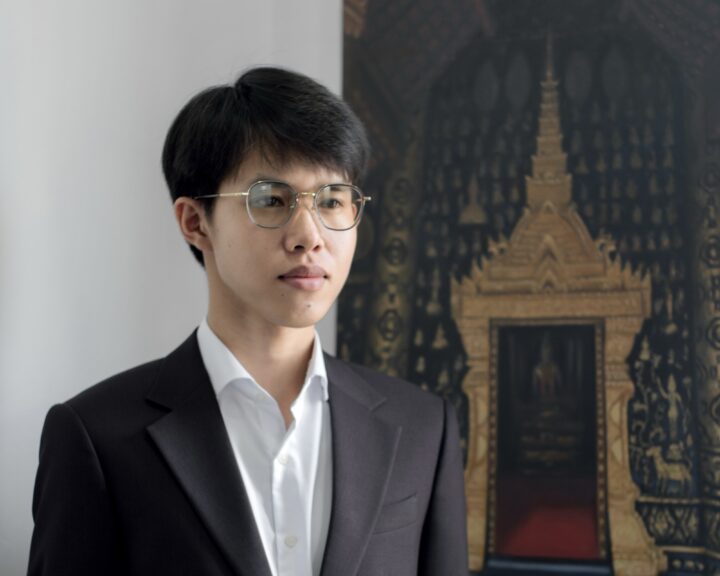
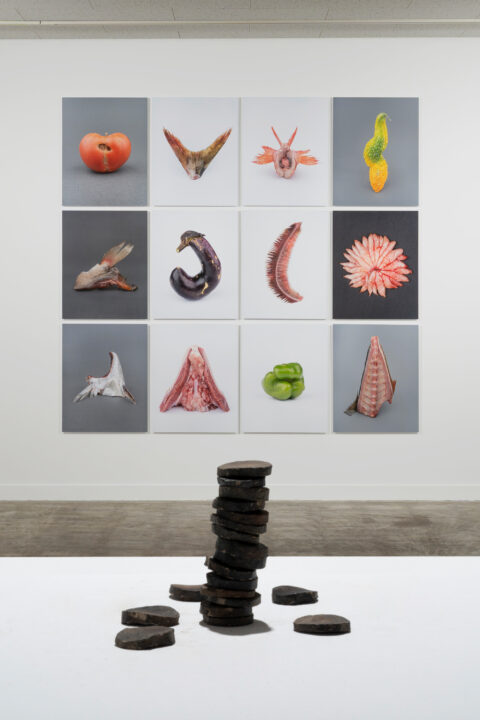
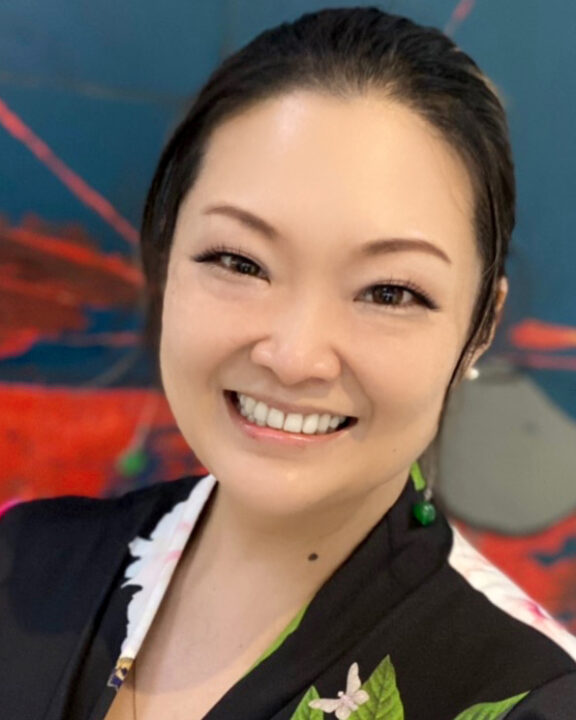
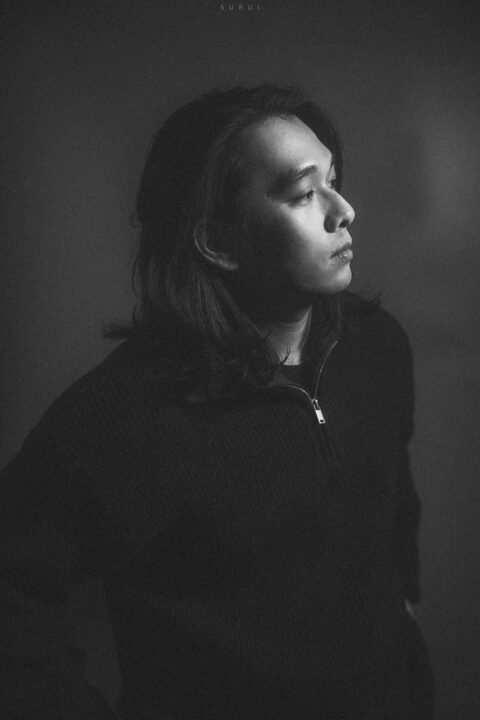
Lucas Odahara is an artist working with a variety of media including ceramic glaze painting, public installation, collage and writing. His work addresses the impulse of self-recognition within structures that are ultimately restrictive, while proposing a notion of a manifold self composed from multiple histories and geographies. Nationality, language, history, race and gender are some of the places he encounters this friction between identification and disidentification.
During his residency in Fukuoka, Odahara will look at diasporic Asian identities through the metaphor of gates as thresholds by examining the architectural and cultural significance of temple gates (torii) and local residential gates. His work will incorporate themes of mixed-race identity, drawing on his family's migration from Fukuoka to Brazil in the early 20th century.
WINDS OF ARTIST IN RESIDENCE 2025 Memory, in Texture: Where the Imagined Holds the World Together
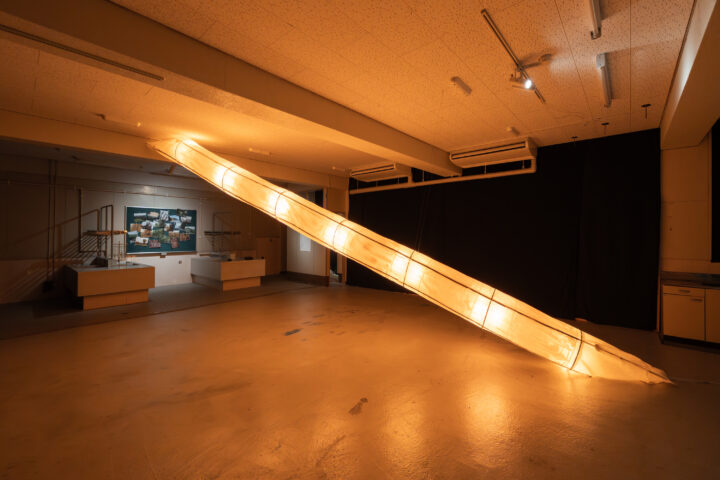
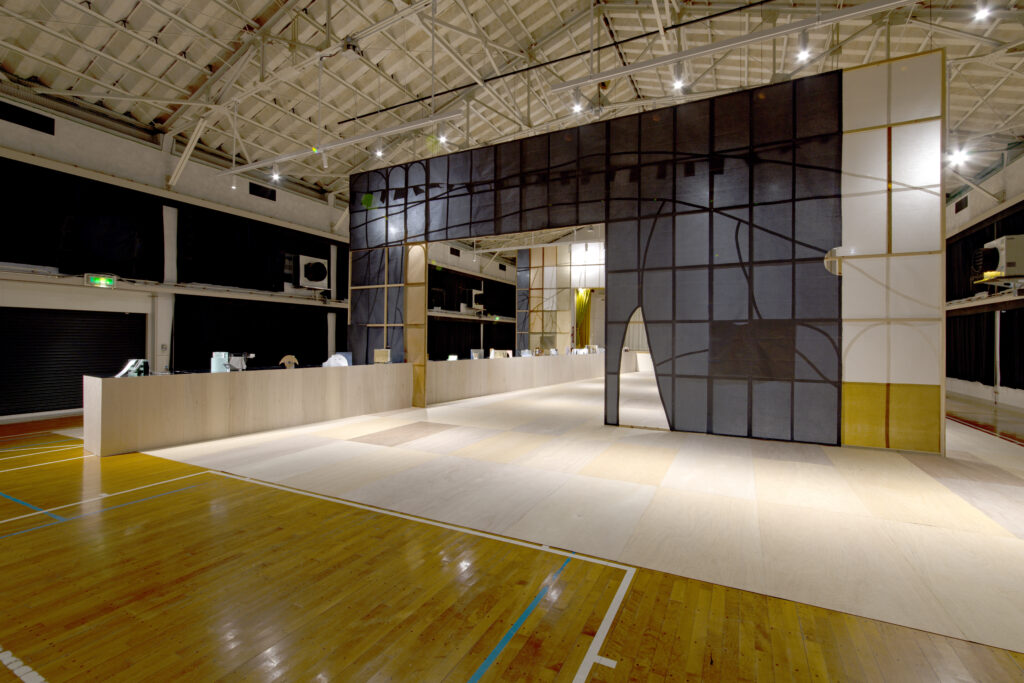 Traços, 2026 Photo by Nagano Satoshi
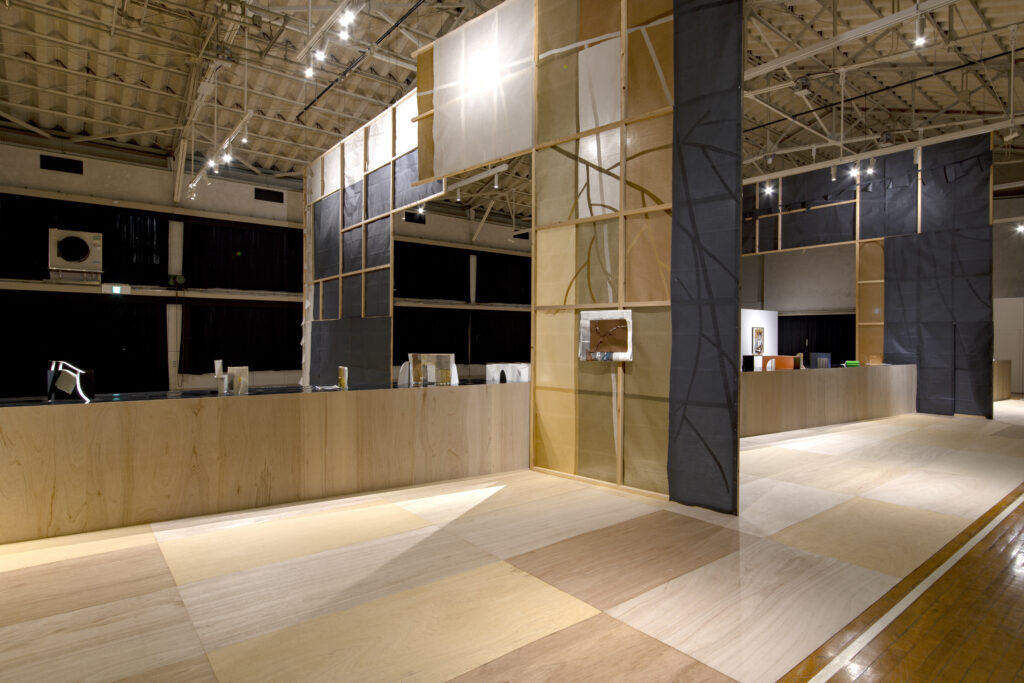 Traços, 2026 Photo by Nagano Satoshi
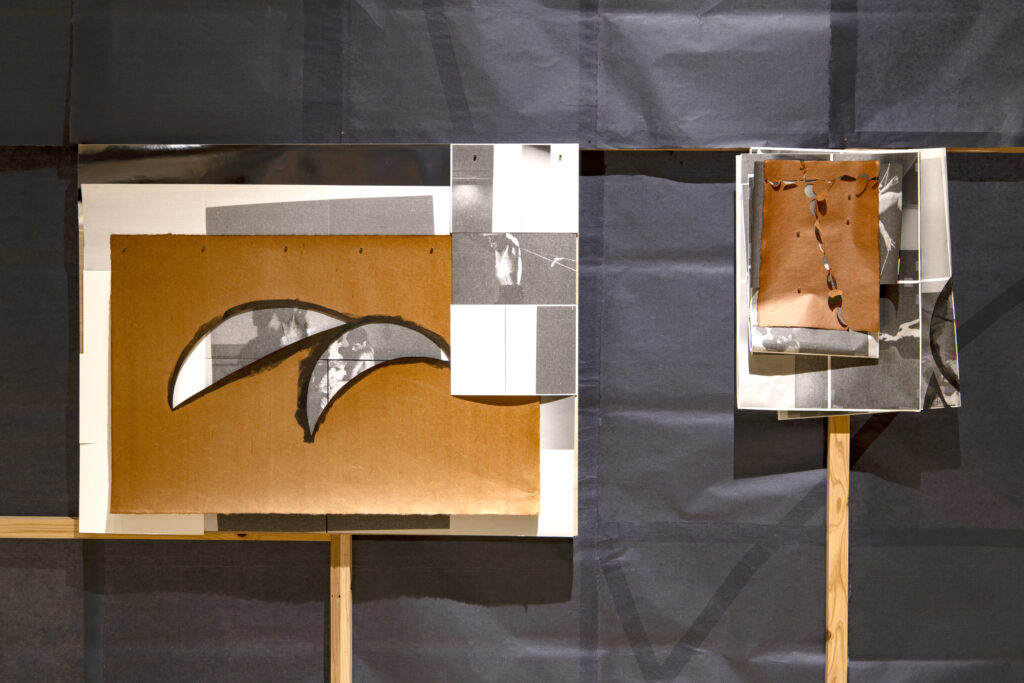 Traços, 2026 Photo by Nagano Satoshi
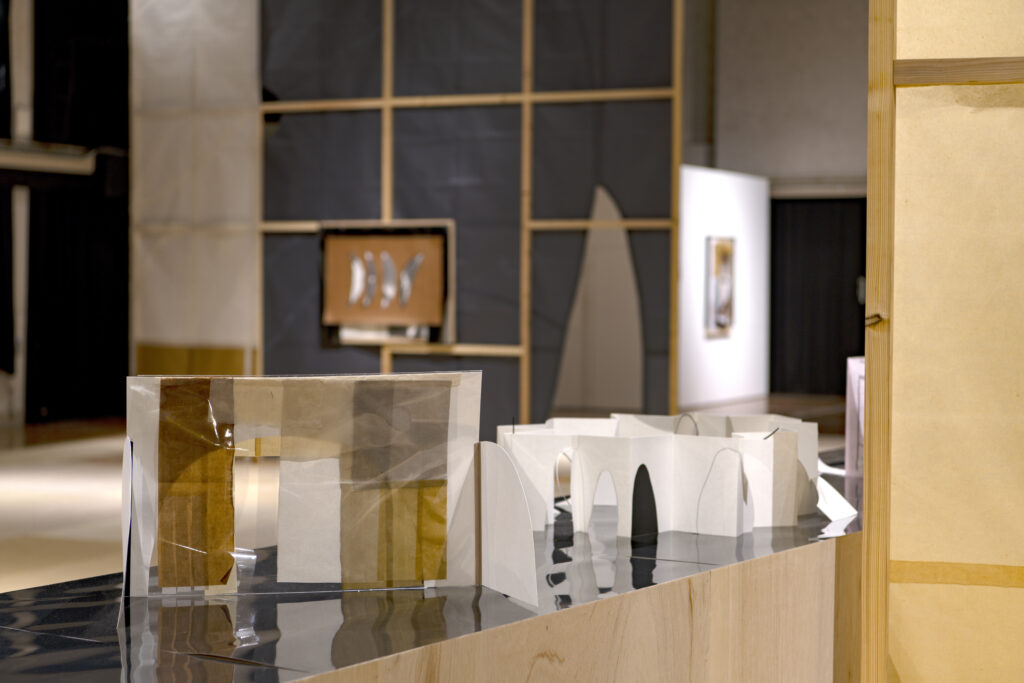 Traços, 2026 Photo by Nagano Satoshi
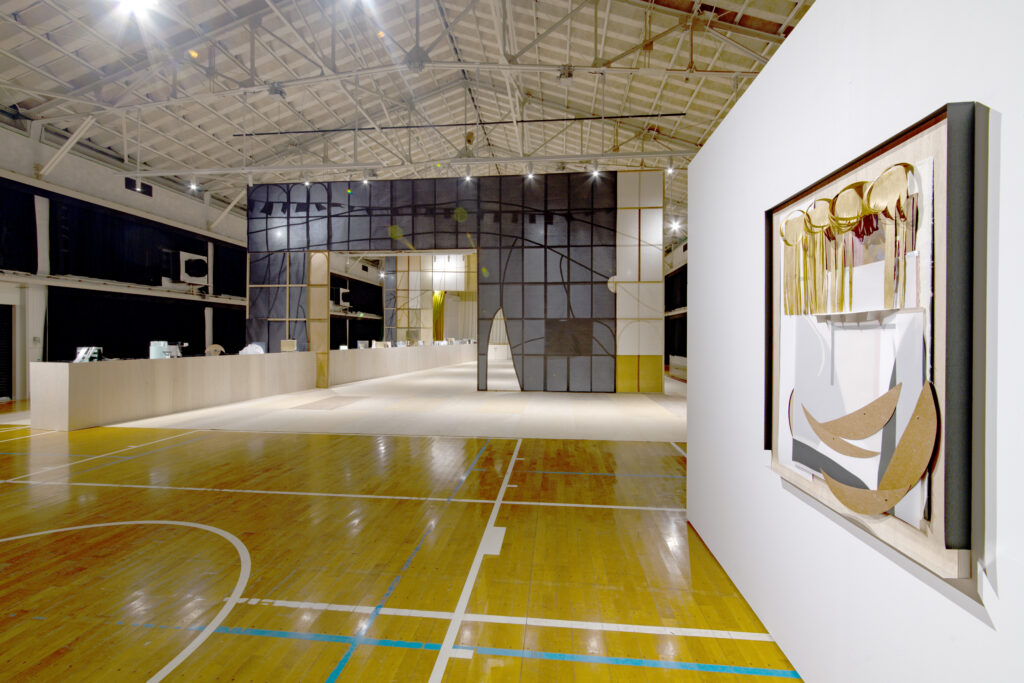 Traços, 2026 Photo by Nagano Satoshi
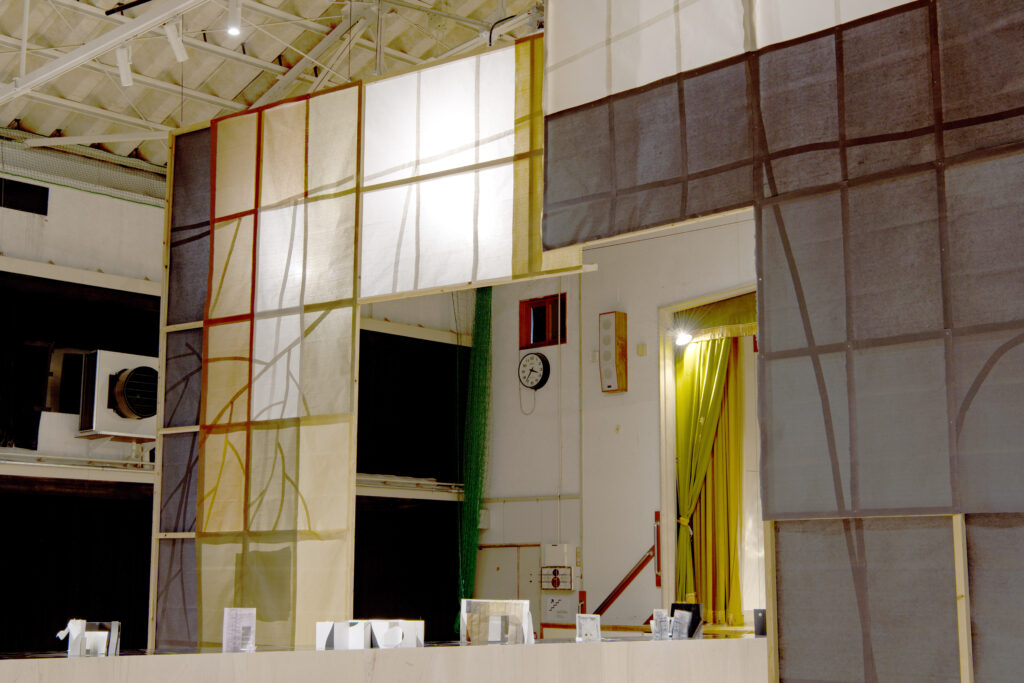 Traços, 2026 Photo by Nagano Satoshi
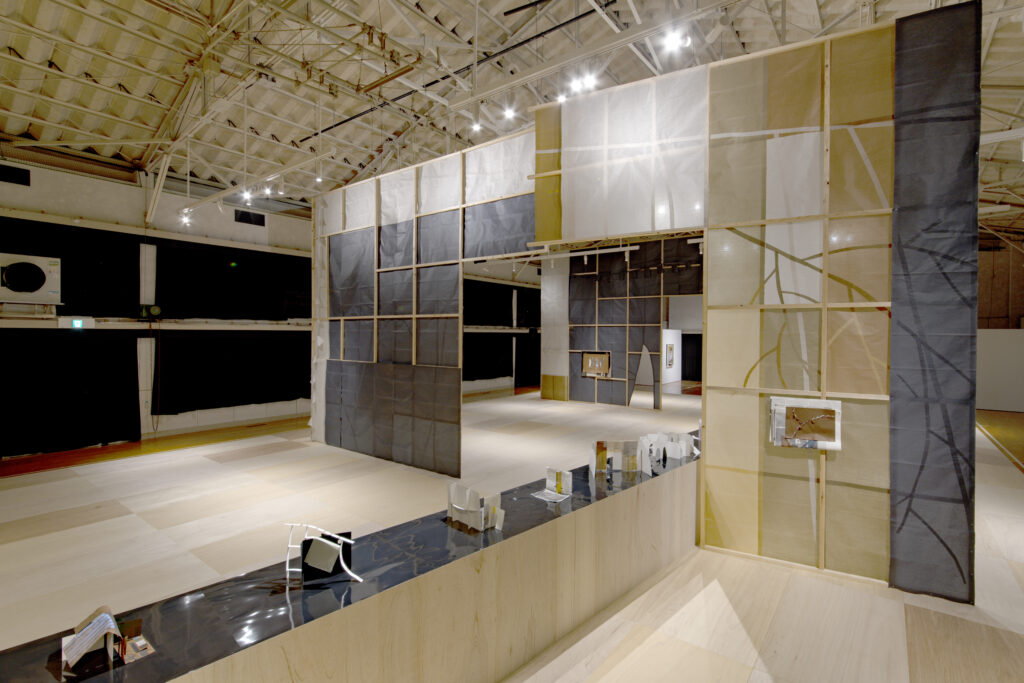 Traços, 2026 Photo by Nagano Satoshi
Interaction Diary
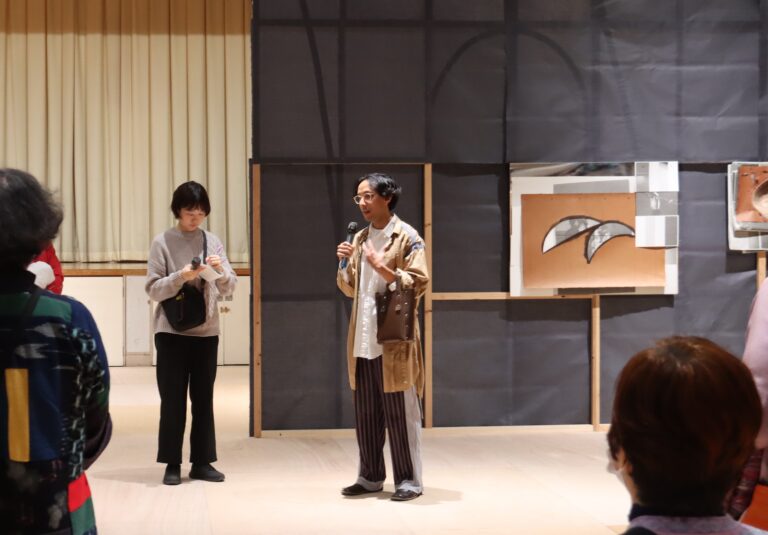
March 20 Artist Talk (Artist Cafe Fukuoka)
Odahara shared stories of his research and art-making in Fukuoka in front of his own artwork. He and the other three artists later gathered at the Community Space and gave reflections on their overall experiences in Fukuoka.
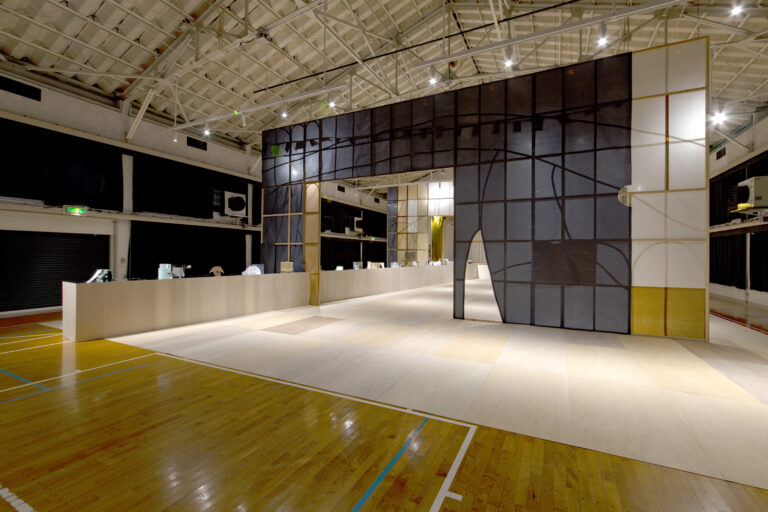
March 20 WINDS OF ARTIST IN RESIDENCE 2025 Memory, in Texture: Where the Imagined Holds the World Together (Artist Cafe Fukuoka)
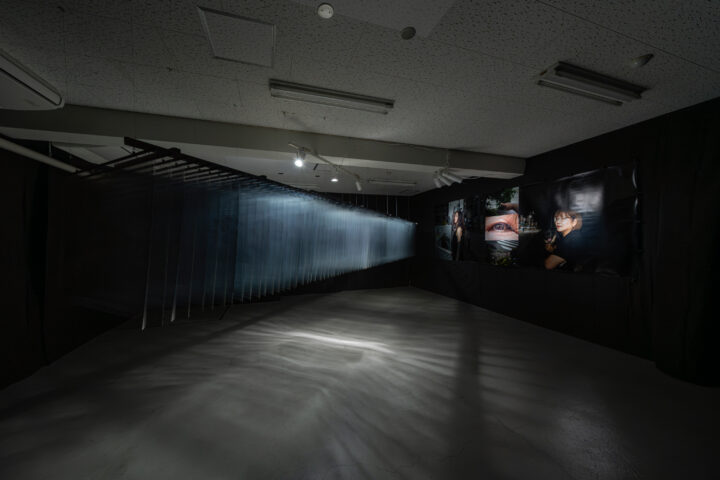
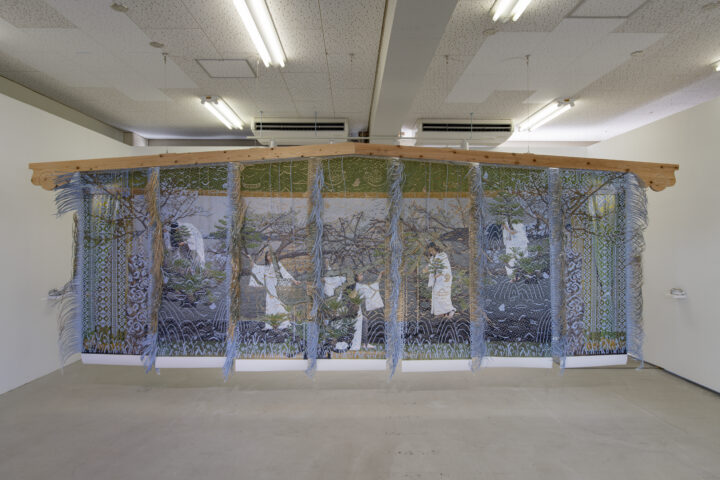
Odahara exhibited his installation work Traços.
Photo by Nagano Satoshi
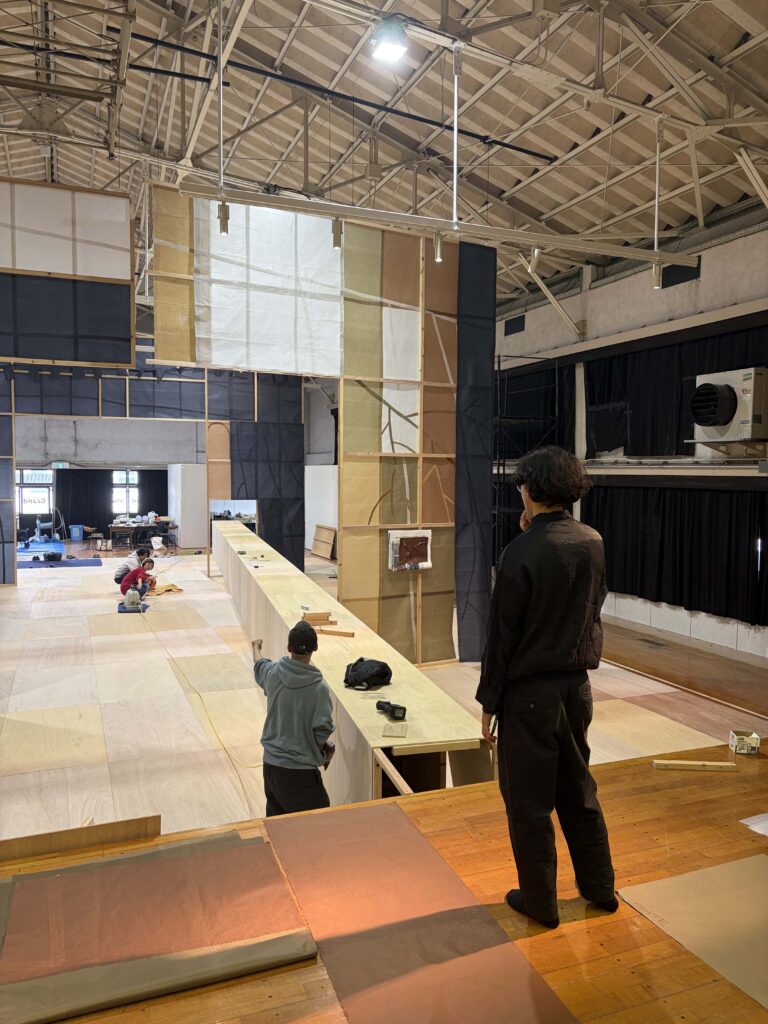
March 2-19 Artmaking
With the help of installation team including Tsuda Mitsuo, Odahara constructed two gates, as well as a hanamachi (raised pathway) that extends almost 20 meters inside the Grand Studio.
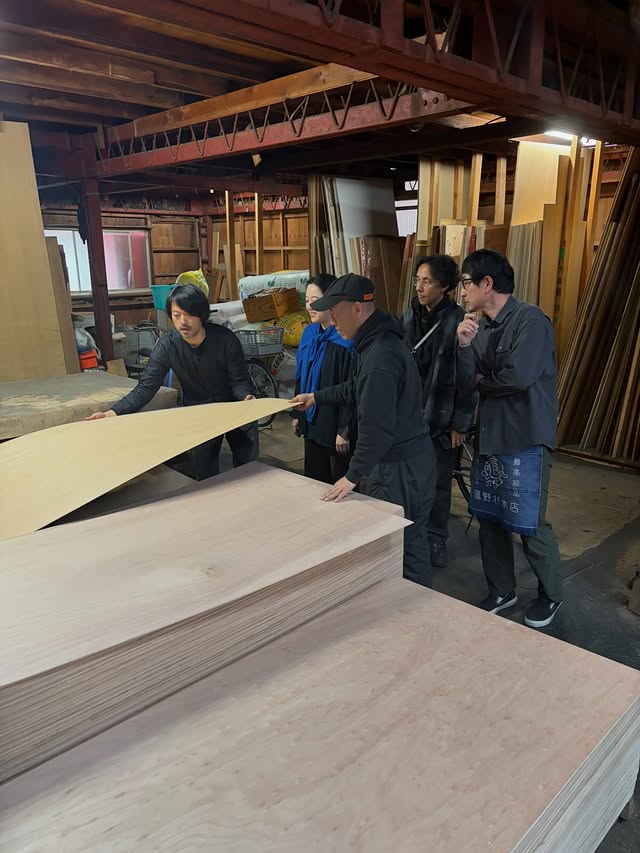
February 27 Visit to Takano Lumber
On this day, Odahara visited Takano Lumber to get sheets of plywood for covering the floors in the Grand Studio. Ushijima Yoshikatsu from Ushijima Naiso (interior contractor) also joined in, and the two purchased additional wood materials.
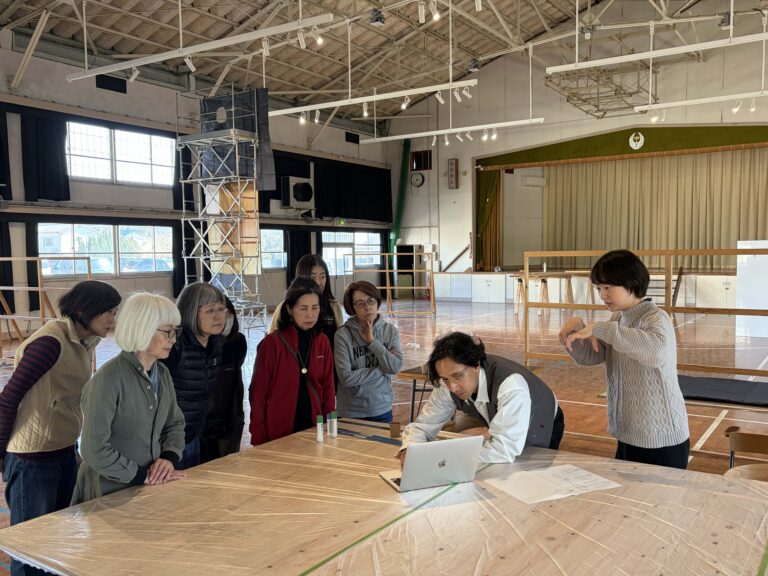
February 18 Artmaking
Together with FAAM volunteer staff, Odahara worked on ironing, gluing, and cutting a large amount of washi for his installation work to be displayed in the Grand Studio.
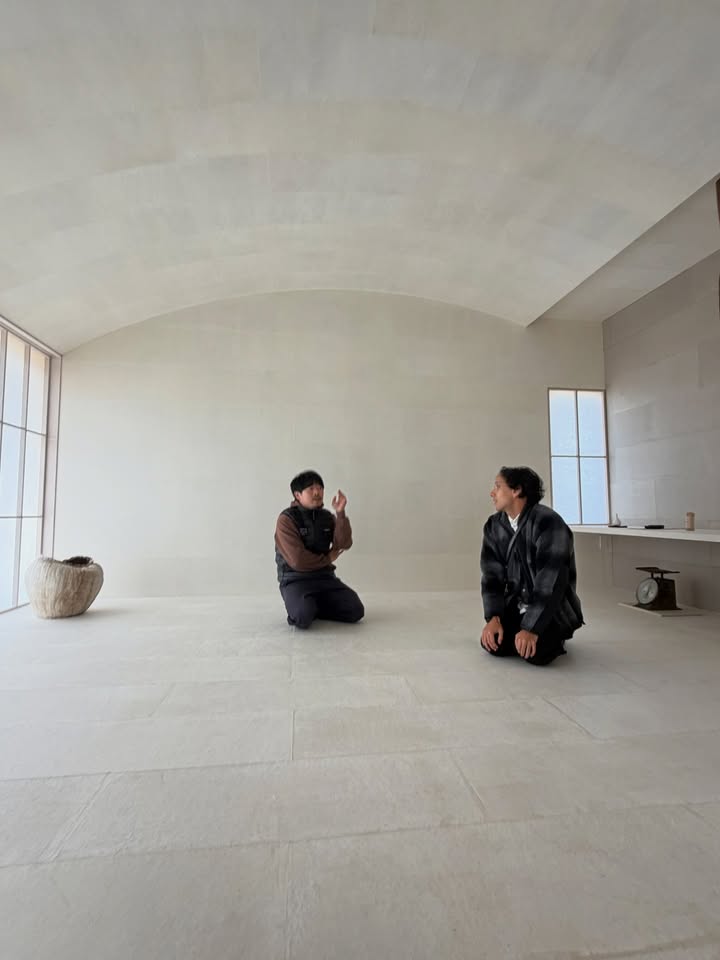
February 12 Visit to Nao Tesuki Washi (Saga city) and Matsuo Washi Kobo (Yame city)
On this day, Odahara went to Nao Tesuki Washi, a washi craft studio that handles the entire washi manufacturing process, starting from cultivation of mulberry trees, washi’s ingredient, to papermaking. After seeing the course of washi making, he also visited their gallery space, where the whole area, including floors, ceilings, and walls, is designed with washi. Later, Odahara moved to Matsuo Washi Kobo and purchased some washi papers for his work.
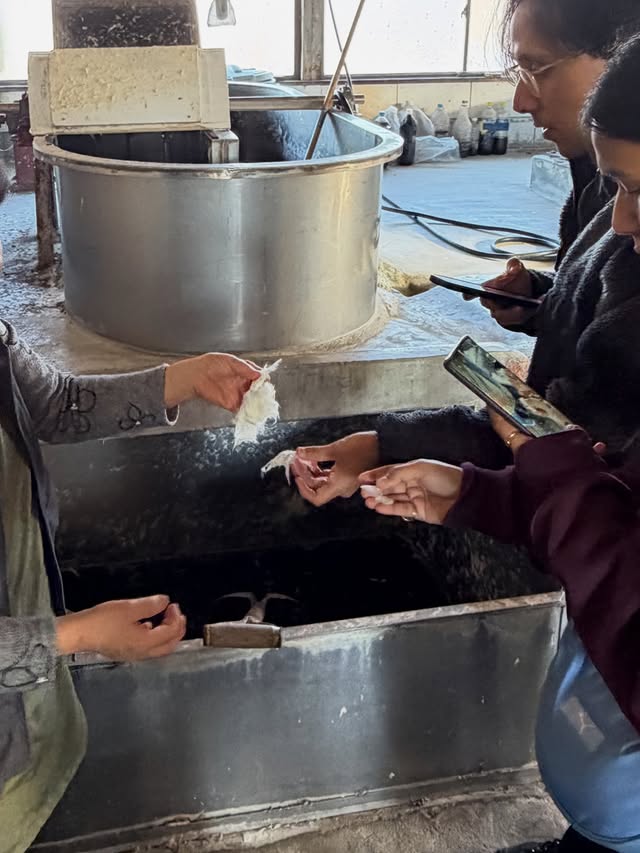
February 3 Second Visit to Yame city
Odahara visited several places to conduct research focusing on washi in Yame, including Shiraki Kougei, where they make structural designs of traditional Yame lanterns, Ito Gonziro Shoten, an old lantern shop launched in 1815, and the Matsuo Washi Kobo, a washi craft studio that has more than a hundred years of history.
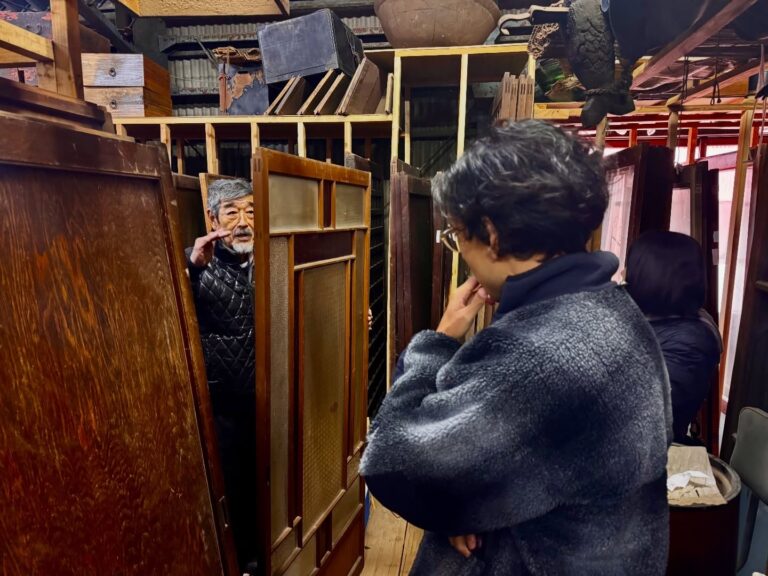
February 1 Visit to Yame city
After experiencing handmade washi at the Yame Traditional Crafts Center, the artist visited Hana-goyomi, an antique shop, where the owner Minematsu gave him a tour in the storage and explained architectural shifts found on the doors built between Taisho and early Showa era. Later in the Gallery Ki to Te, Odahara saw a variety of works intricately crafted from washi. Many kinds of washi papers that he saw at the Matsuo Washi Kobo also left him with a big motivation. At the end of the day, Odahara went to see the exhibition of the Kyu-Kaminosho (Former Kaminosho School) Residency Program, where he met the invited artists for 2025, Ikenana and Hanada Tomohiro.
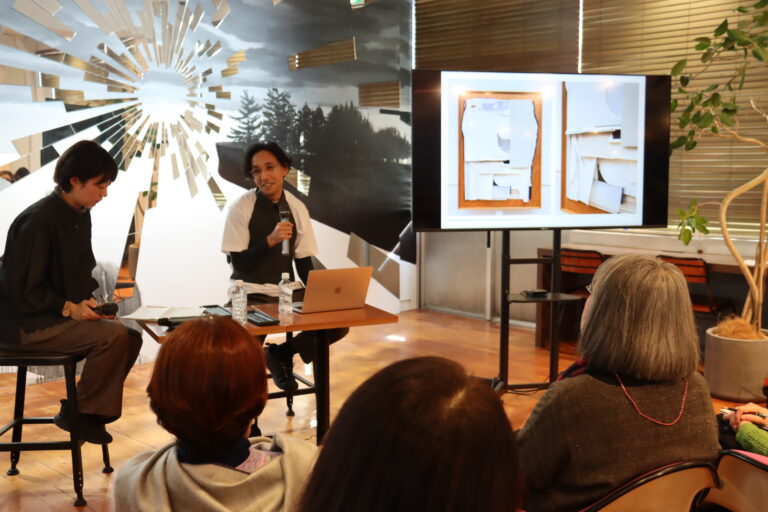
January 31 Kick-off Talk (Artist Cafe Fukuoka)
Odahara gave a talk about his previous works and experience, with references to the city of Sao Paolo, home to the world’s largest community of Japanese diaspora, and his family’s migration from Fukuoka. He mentioned that gates, torii, and stages are the primary subjects of his research in Fukuoka that he wishes to incorporate into his new work.
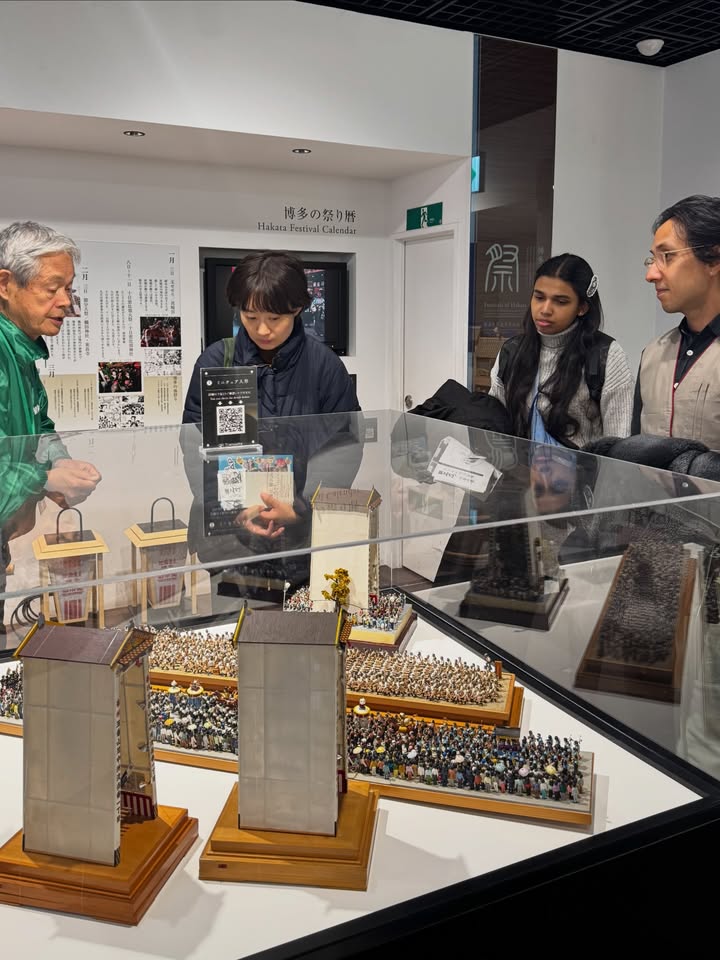
January 20 Research on Hakata Culture
Visited Hakata Machiya Folk Museum, Hakataori Kogeikan, and Iki Shrine. Through by seeing folk crafts passed down to merchant families or the making-demonstration of traditional crafts, he had a better understanding in Hakata from historical and cultural perspective.
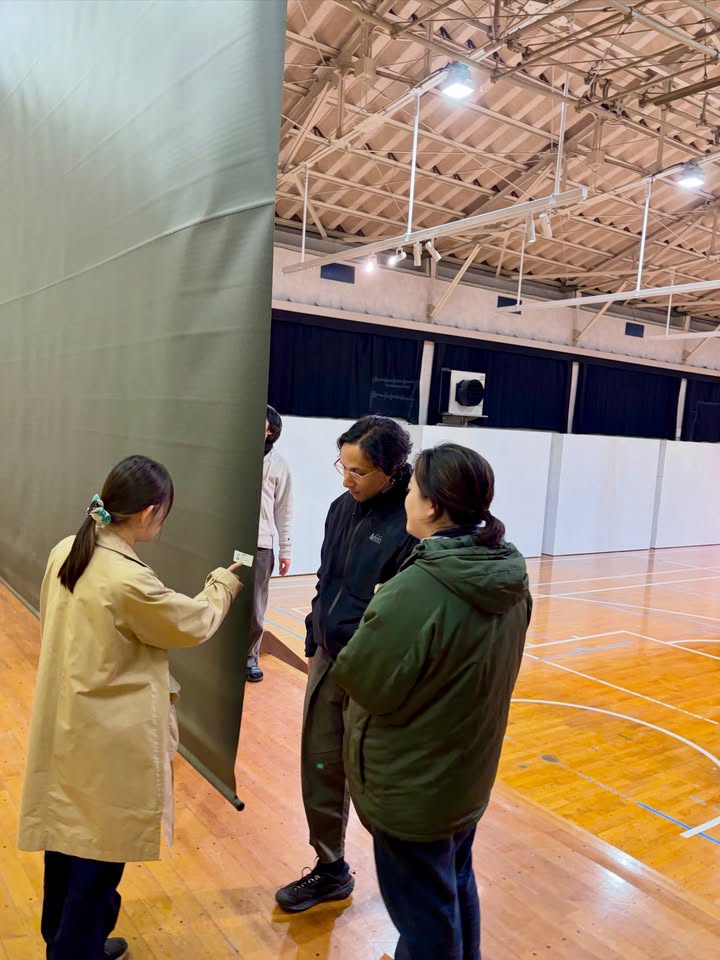
January 15 First Meeting in Artist Cafe Fukuoka
Odahara arrived in Fukuoka on January 13th and two days later he joined a meeting in Artist Cafe Fukuoka to discuss his work during the residency.