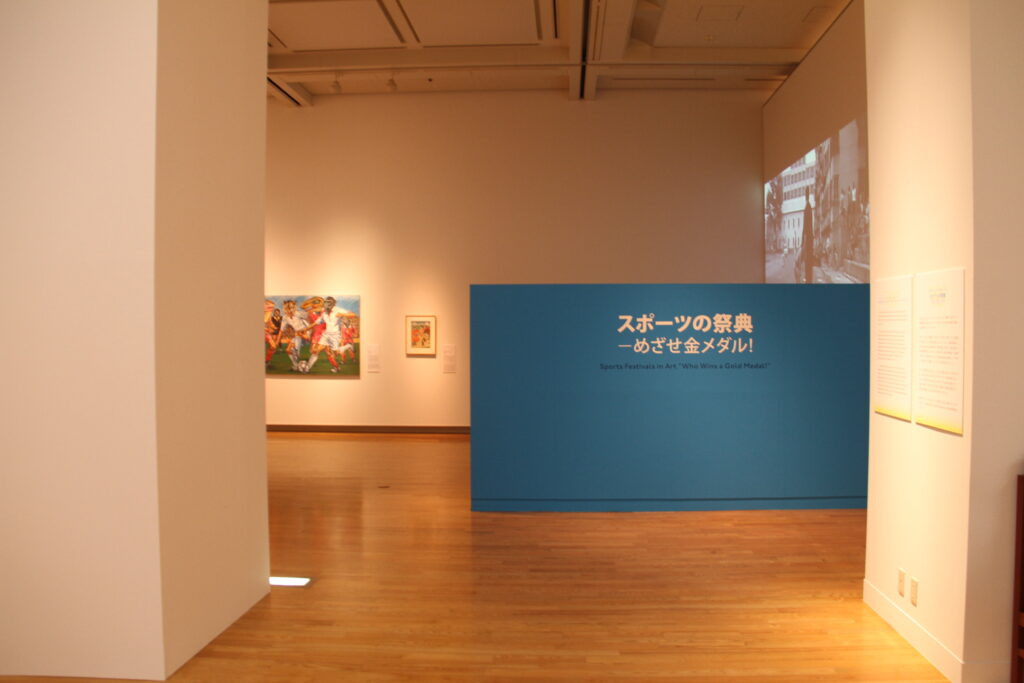
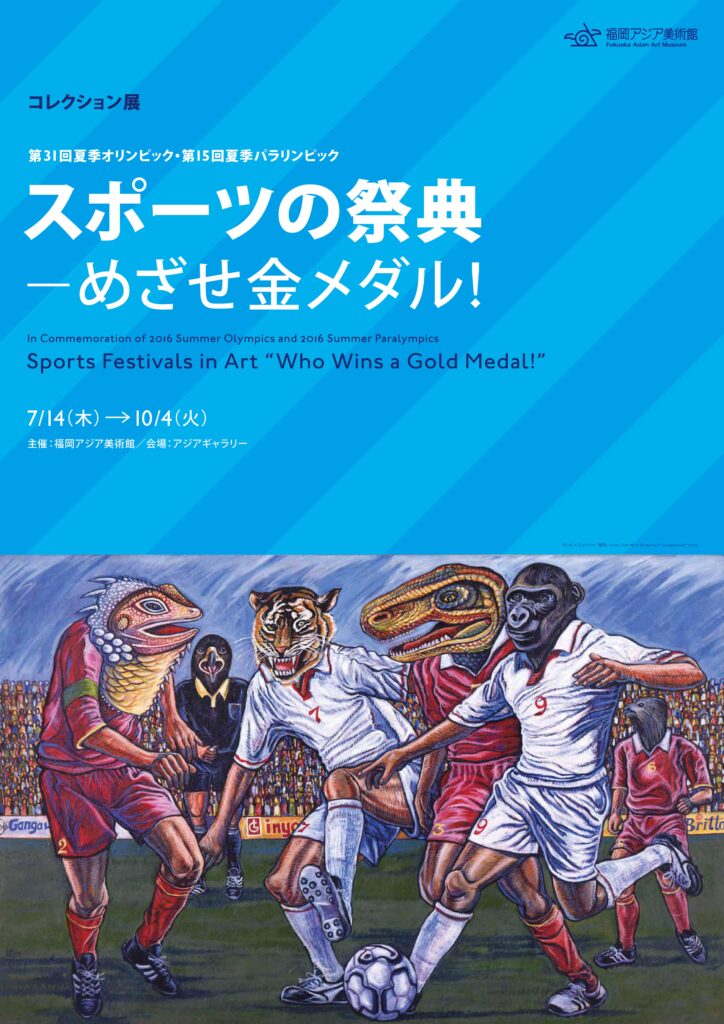
In Commemoration of 2016 Summer Olympics and 2016 Summer Paralympics: Sports Festivals in Art "Who Wins a Gold Medal !"
- Period
- Jul 14, 2016 〜 Oct 4, 2016
- Venue
Asia Gallery
The 2016 Summer Olympics and Paralympics are scheduled to take place in Brazil this August. Top athletes from around the world will compete in twenty-eight events, making the Olympics the single largest international sporting event.
The term “sport” is derived from the Latin deportare, which means “to divert.”
The word indicates leisure activities or games in which people become temporally free from the labors essential for maintaining one’ s own subsistence. Over time the meaning of “sport” has changed. In the Eighteenth century, the term was used to describe hunting. It was not until the Nineteenth century that the modern usage of “sport,” defined as an activity where individuals compete based on a fixed set of rules to
determine a winner, was developed in England.
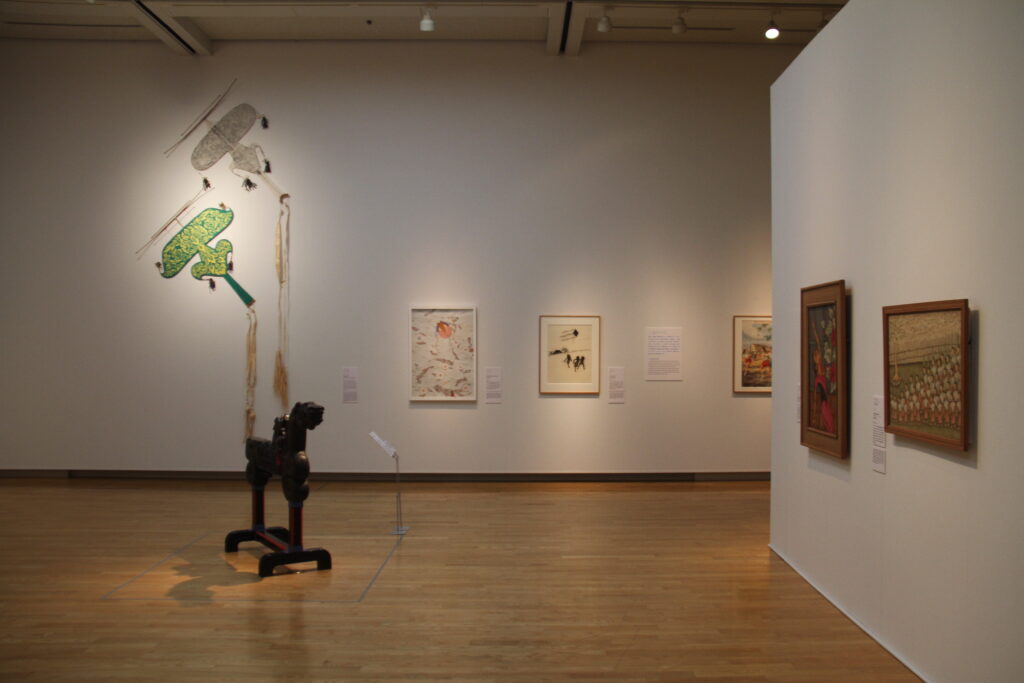
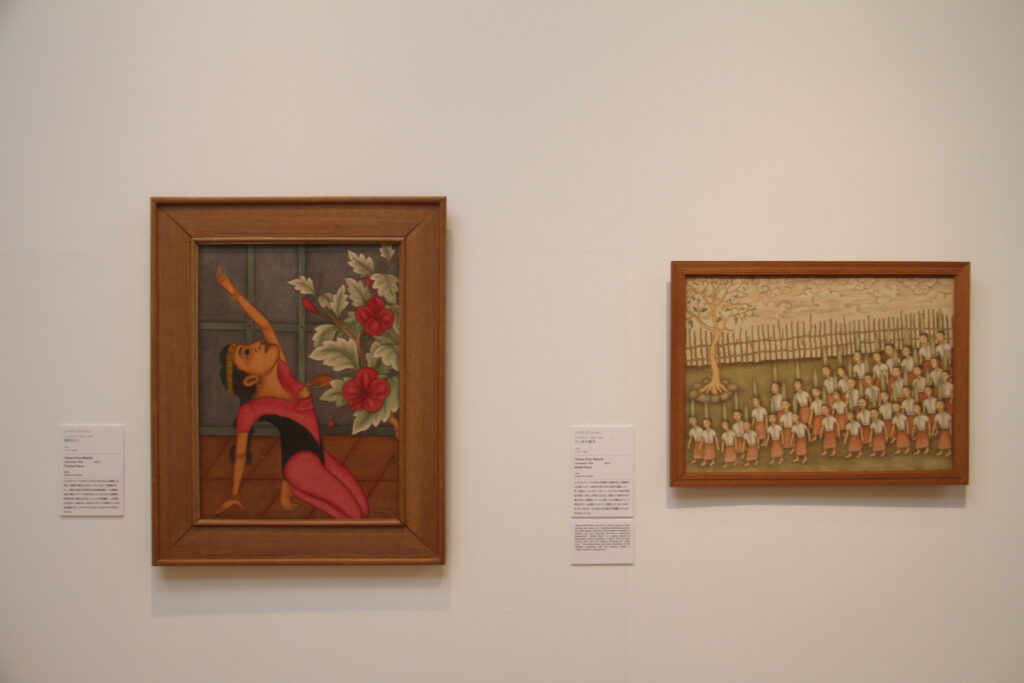
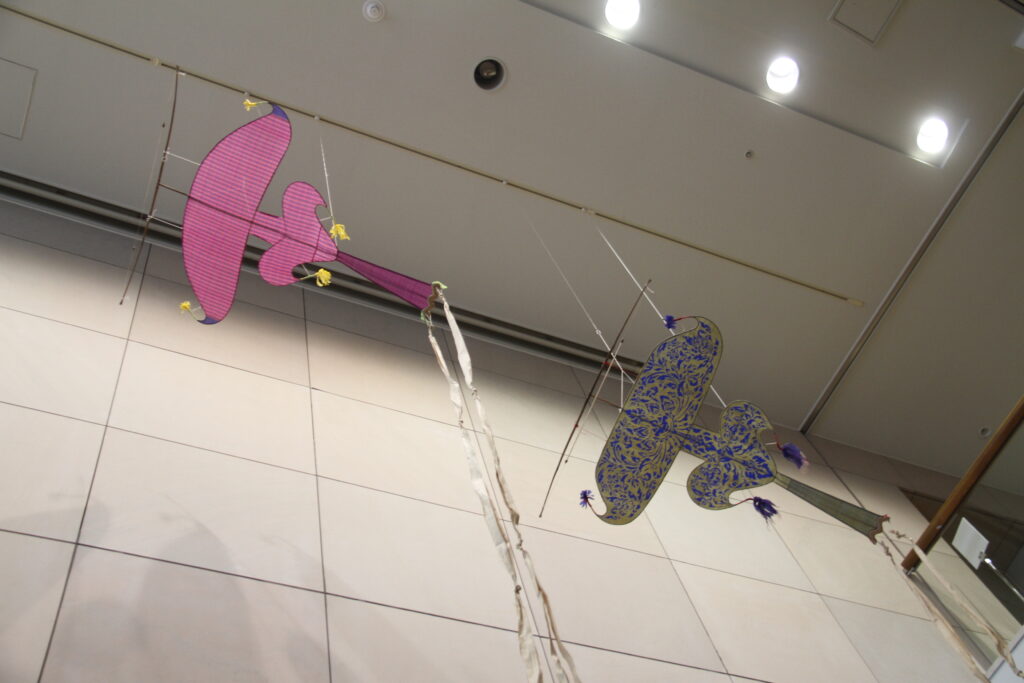
Looking back the history of sport, we can see many forms of play, leisure, and entertainment. While depicting the world of sport as a part of modern culture brought by external Western influences, Asian artists have also depicted traditional forms of sports enjoyed locally, and vernacular forms of children’ s play that reflect regional characteristics. This exhibition sets out to introduce multiple perspectives on the wide range of unique physical activities found in Asia, which goes beyond the Nineteenth century definition of sport commonly used today.
1. Competing bodies
In sports we use our body to compete with others (or ourselves). Who wins and who loses is decided based on a quantitative measure derived from specific rules and time frames. While modern sports control our body with rules, time, and numbers, traditional forms of sports were, and continue to be, associated with festivals in which people offered their body to their deities. In this section, we introduce how Asian artists capture the characteristics of both modern and traditional sports, but also transform them to their individual expression.
2. Playing bodies
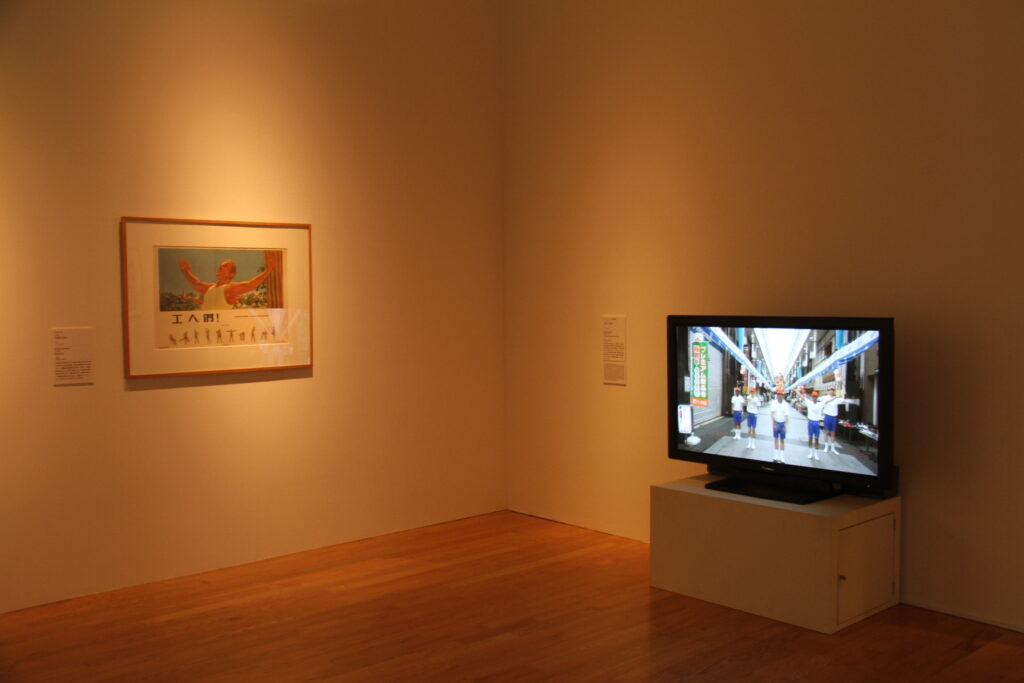
Although the world of play has its own rules to decide who wins and who loses, the purpose is to share enjoy time with friends through physical interactions. Children are experts of creating new ways of play by changing the rules, but artists are also masters of play and experimentation. For these artists, playful moments are an important motif that is closely tied to the pleasure of creating a new world that goes beyond the existing one. This section introduces works that are illustrative of these fruitful moments of play.
| Venue | Asia Gallery |
|---|---|
| Admission | Adult \200 /College & High School \150 |
| Organiser | Fukuoka Asian Art Museum |