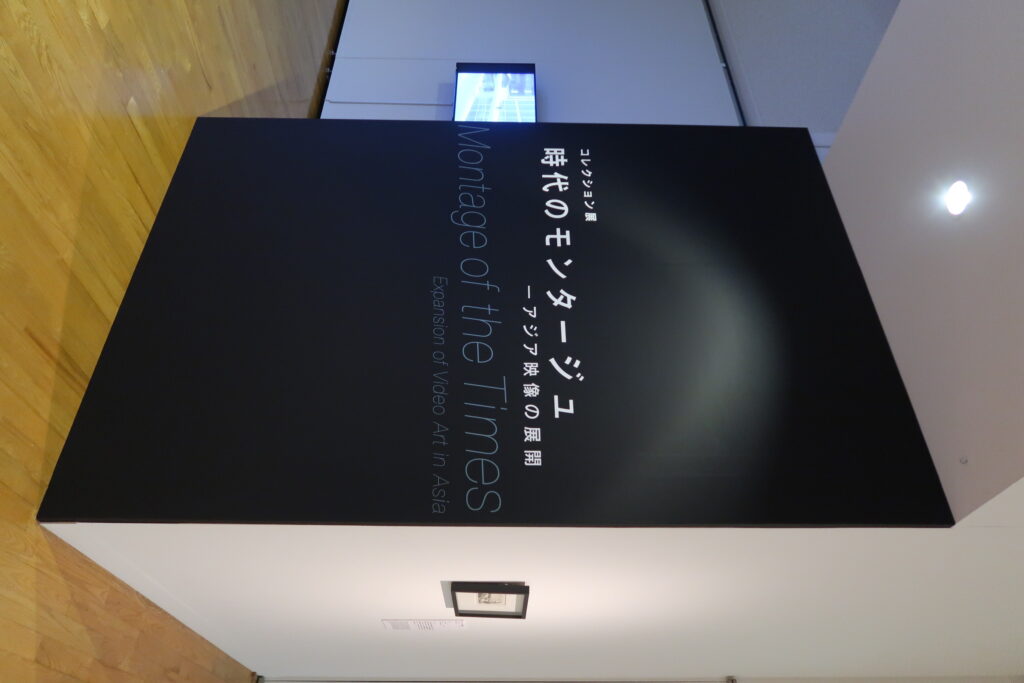
Montage of the Times – Expansion of Video Art in Asia
- Period
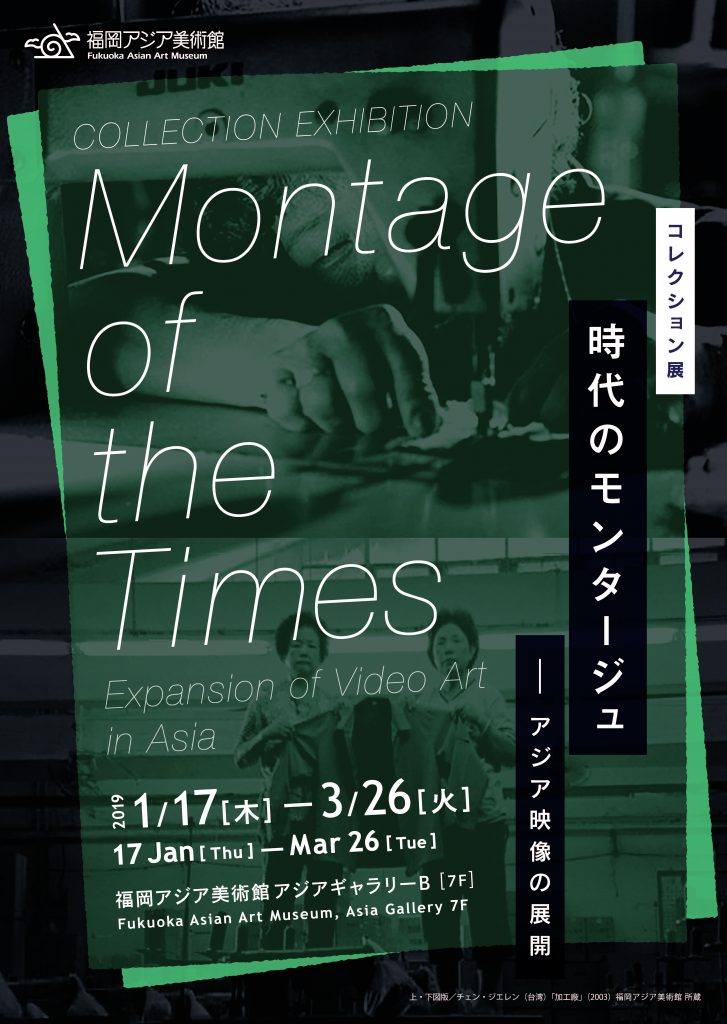
- Jan 17, 2019 〜 Mar 26, 2019
- Venue
Asia Gallery
The video started to be recognized as a new form of art in the 1960s although the reasons why video art emerged in Asian countries vary depending on the availability of machines and techniques in each country. Through the advancement of video technologies during the time of economic growth between the 80s and 90s, a growing number of artists started to show their interest in experimental videos. In the post-2000 era, the video art has quickly been expanding its realm including a large-scale spectacle works.
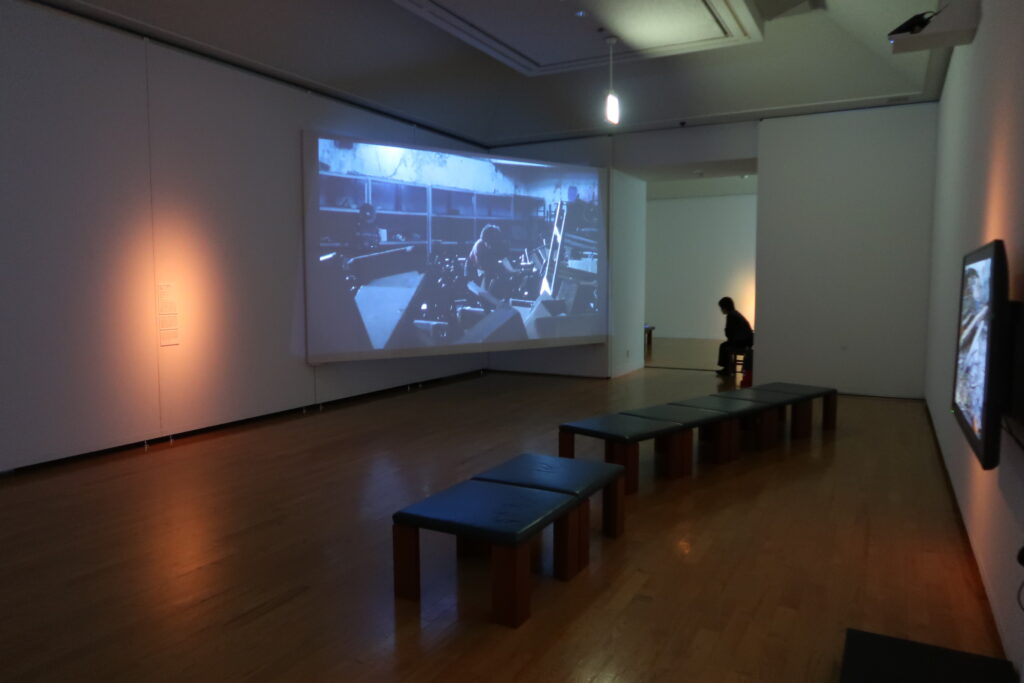
Montague is a technique in film editing in which a series of fragmented pieces of shots are edited into a sequence. Focusing on this technique, this exhibition introduces the development of video art in Asia from the work of pioneer artists to the animation work that depicts the history of war and a documentary account that captures contemporary social conditions of the country. Capturing their age from plural perspectives, Asia’s video artists draw out multi-layered images of the time.
Pioneers in Asia’s video art
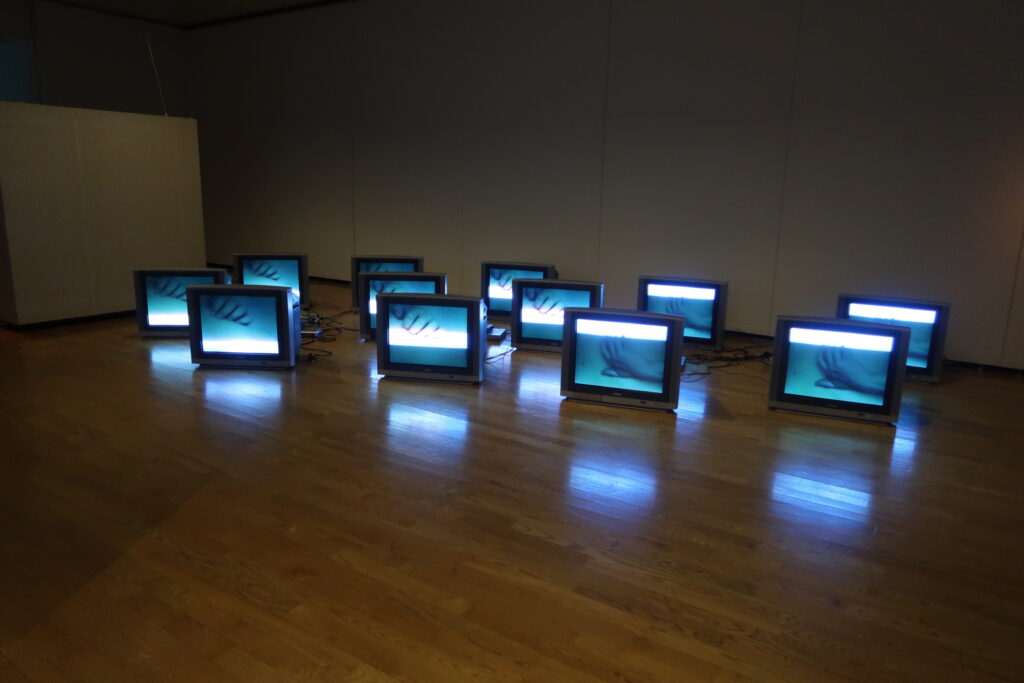
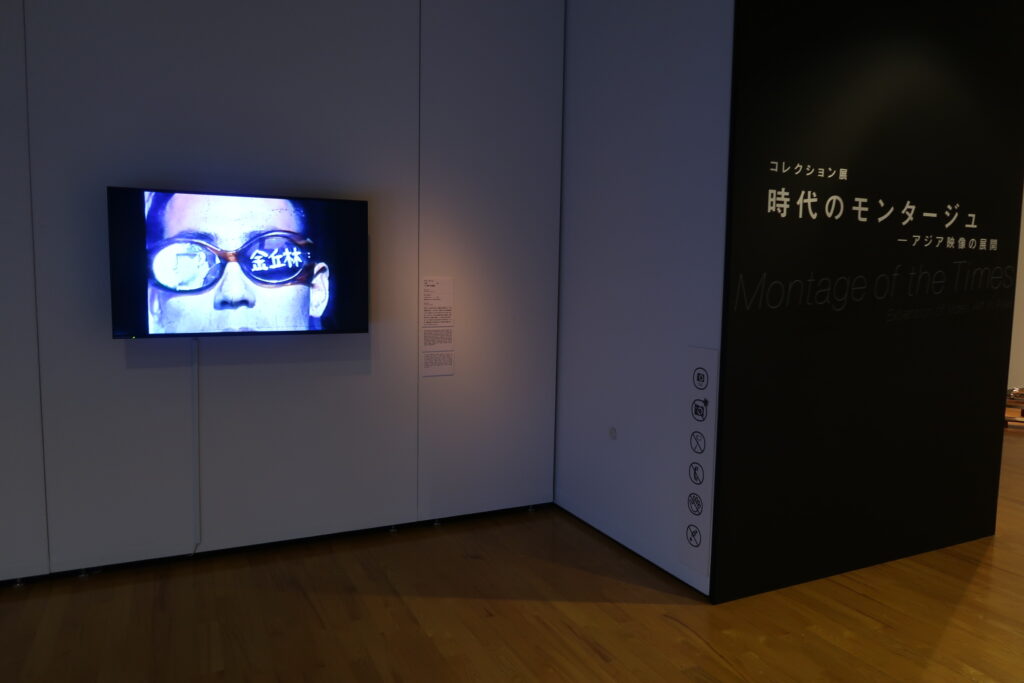
This section introduces the experimental works that question the social obstructions using unique video techniques. The work of Kim Kulim, Korea’s first experimental video artist, and Zhang Peili, a pioneer in Chinese video art, are shown in the way they were originally displayed. The work of Wah Nu, the artist who created the first video work in Myanmar, will also be displayed.
Depicting the history of wars in animation
This section introduces the history of wars in Asia in the style of animation. Wong Hoy Cheong depicts the story of his father who experienced the Japanese control during the war. Dinh Q. Le’s work describes the end of US helicopters that seek to escape from South Vietnam at the end of the Vietnam War in a plain detached tone. Using animation, these works replace severe reality of war with something virtual and seek to indicate a new interpretation of wars.
Locality captured by documentary
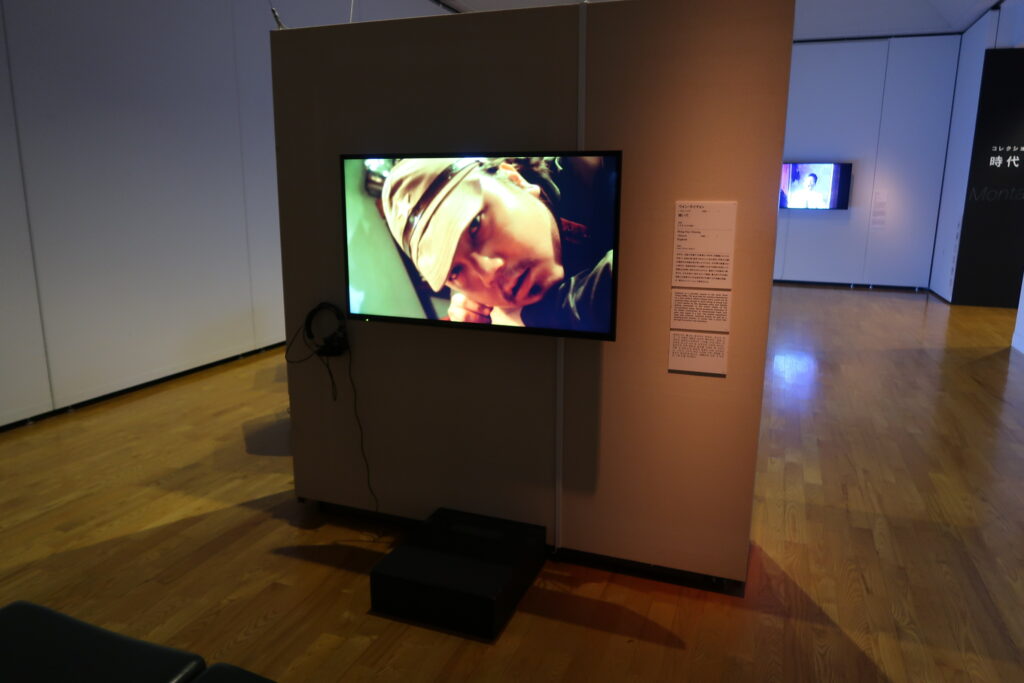
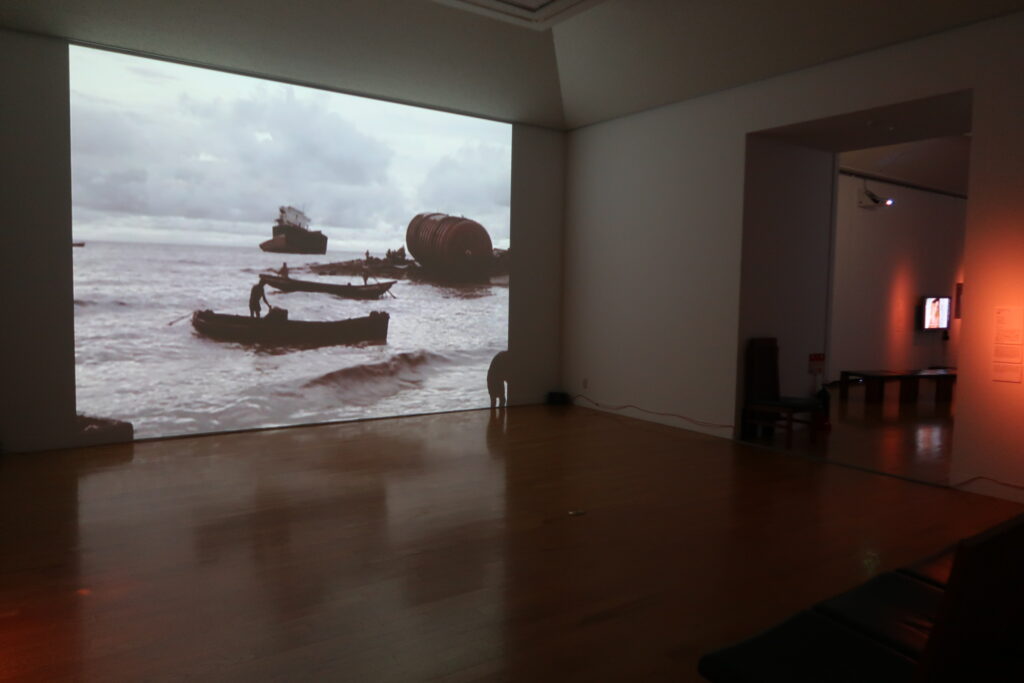
This section introduces the works that re-capture various ethnic, historic, and social issues that each region has in the style of documentary. Yasmine Kabir depicts the harsh working condition at the Chittagong ship-breaking yard in Bangladesh. Zai Kunning follows the lifestyle of a Singapore’s seafaring tribe. Chen Chieh-Jen looks at the people worked at a closed-down fabric factory in Taiwan. All these works capture the people who are displaced in the story of History with a capital “H.”
| Venue | Asia Gallery |
|---|---|
| Admission | Adult \200 /College & High School \150 |
| Organiser | Fukuoka Asian Art Museum |
| Contact | Fukuoka Asian Art Museum / 092-263-1100 |
| Co-organiser | Fukuoka Art Museum/Fukuoka City Museum/ Cultural Promotion Department, Economy, Tourism & Culture Bureau, Fukuoka City |
| Remarks | Close: Wednesdays |