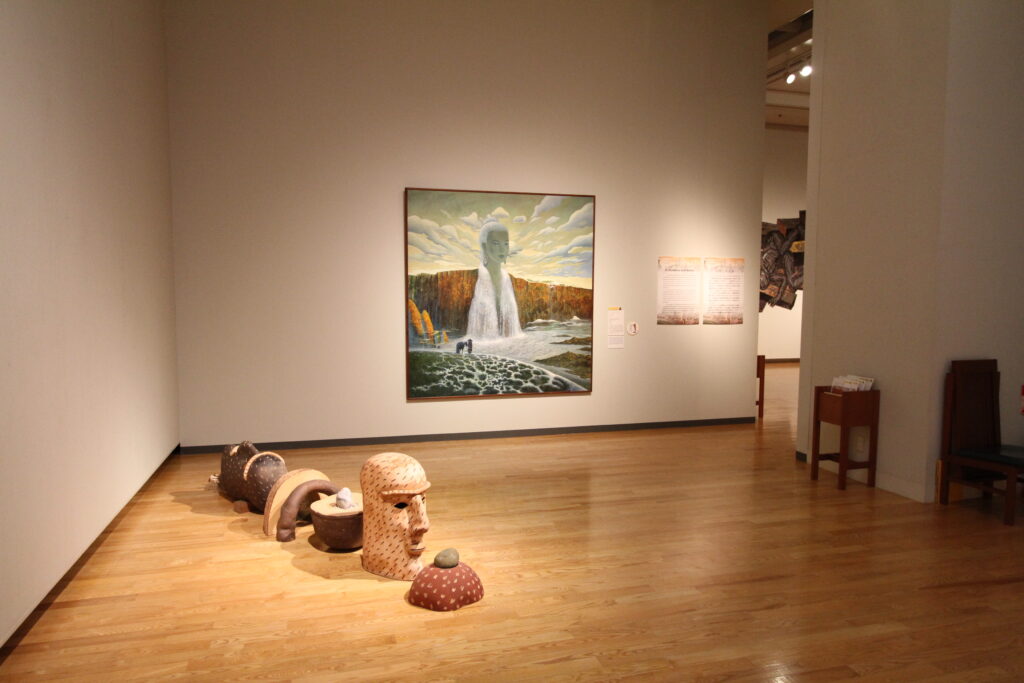
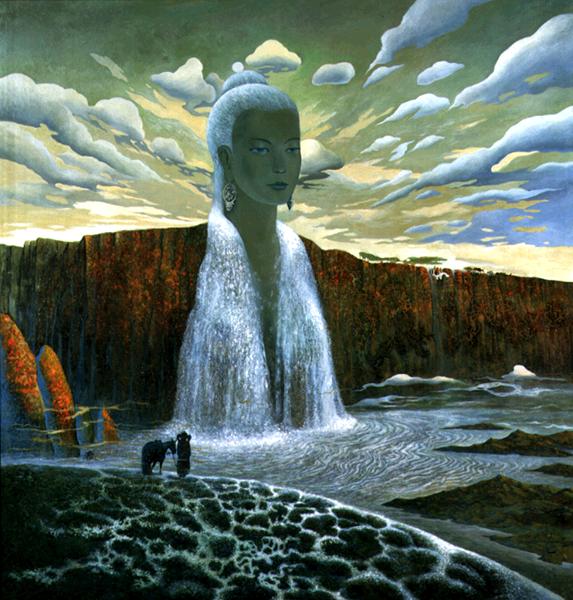
Tserennadmidin Tsegmed, Orkhon, 1993
Modern and Contemporary Asian Art
- Period
- Jan 2, 2014 〜 Mar 24, 2015
- Venue
Asia Gallery
1.In the Dawn of Modern Art—Western Style Paintings in Asia
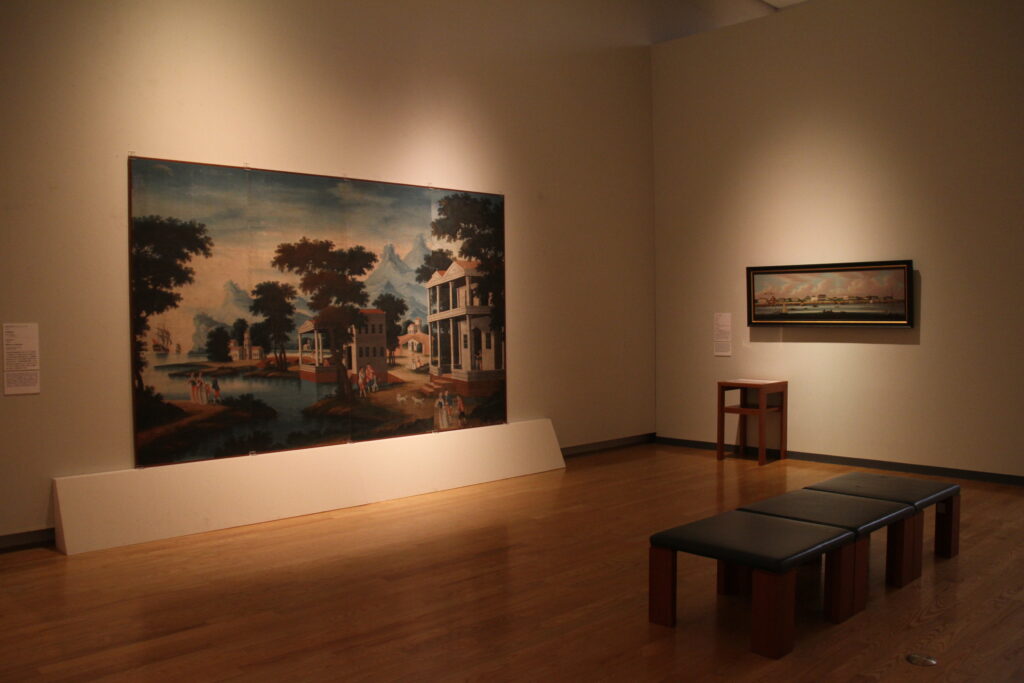
Through experiencing Western colonization and trade between the West since the end of the 18th century, Western-style paintings were created in many regions in Asia, using the materials and techniques from the West on the themes of local customs, landscapes, or myths.
These paintings with exuberant exotic atmospheres were mainly for Western travelers visiting Asia. However, eventually, they were accepted by the local upper class, who began to adopt Western lifestyles.
This section presents Western-style paintings full of exotic and striking charm combining the essence of East and West, created when Asia encountered the Western-modern world.
2. Emergence of Modern Art and the Development of Modernism
The 20th century was the time of rapid change in Asia. Most of the region experienced the Pacific War and struggled for independence from colonization which led the way to build modern nation-states with great sacrifice. Along with these dynamic and difficult challenges in history, modern educational systems and structures of exhibition have also settled in the art field.
While fascinated with Western modern art, artists sought the source of techniques, materials, and subjects based on their social realities and traditional cultures, as well as the unique style of expression that is distinct from the West and desirable for the newborn state.
This section will introduce a variety of works, from academic modern art to abstract art (modernism) up to the mid-20th century, which explored the pure power of form.
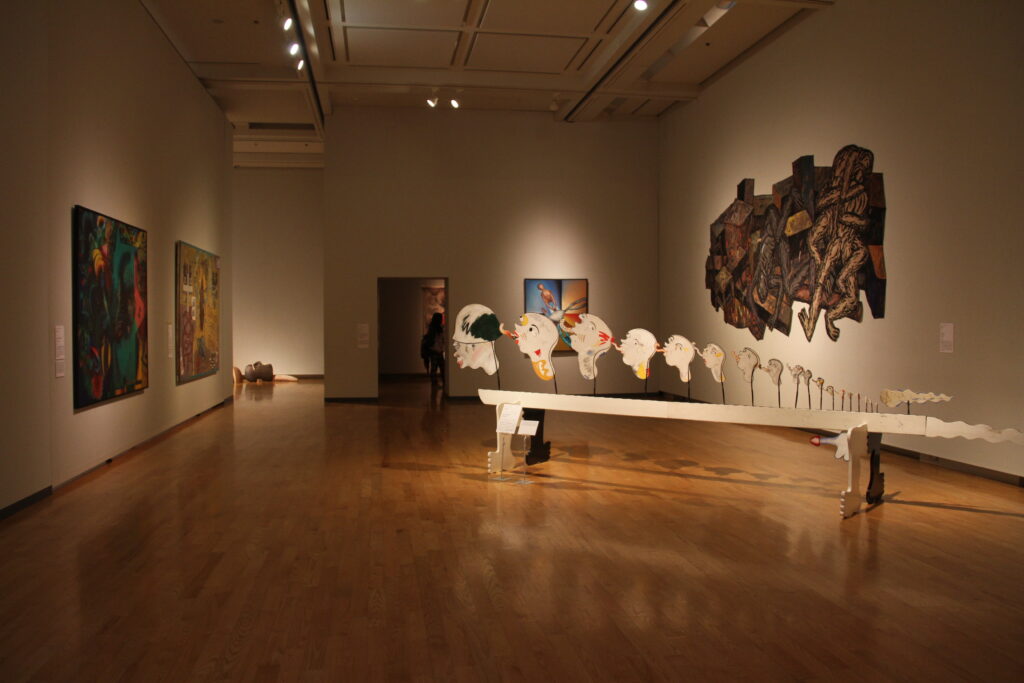
3. Contemporary Art in Asia – Atypical appearances
In our contemporary times, we are facing many kinds of social issues. The light and shadow of high economic growth, dictatorships followed by the movements demanding democracy, and huge effects caused by the waves of globalization. The artists have disclosed the cruel side of history in their works, illustrating the absurdity in our world or the wounds of war. On the other hand, they shed light on little events in everyday life with love, paying attention to minorities from an earlier stage.
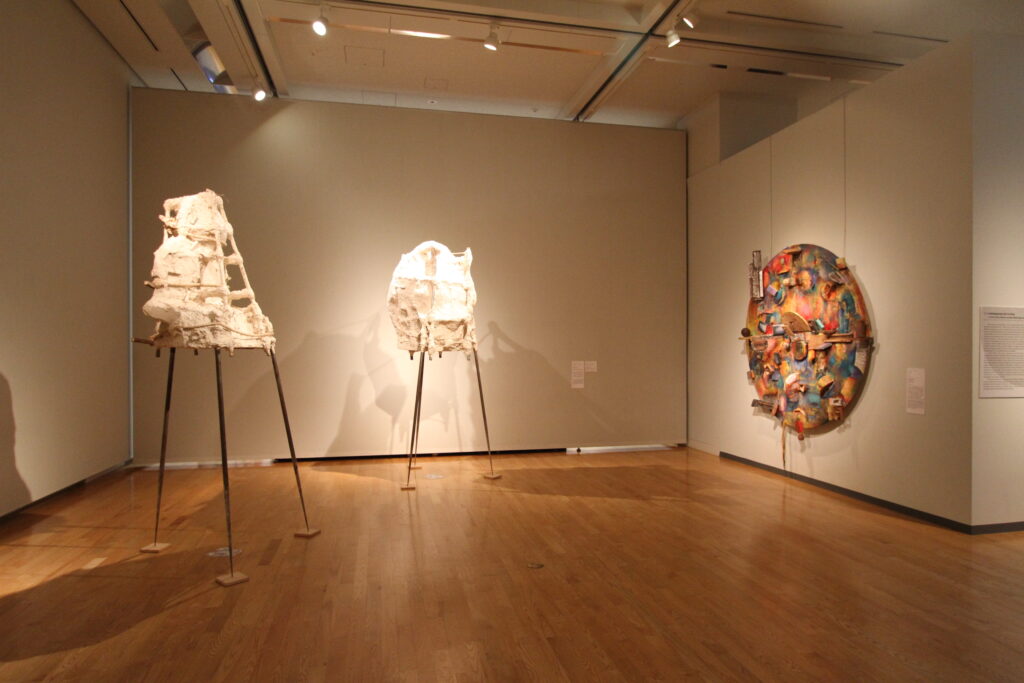
This section will particularly focus on the works in which the artists have transformed the human figures into something “atypical” to indicate the irrational reality or political oppression. Deep inside those humorous shapes and appearances, we could feel their rage and ambiguous anxiety towards the society, suffocation, and a disquiet atmosphere steadily looming towards us.
In Resonance with Nature
Tserennadmidin Tsegmed’s “Orkhon” depicts the goddess of waterfalls in the majestic nature of Mongolia. In Mongolia, a country of grassland with limited water resources, it is no wonder that its people find a spiritual being in waterfalls with a feeling of gratitude. According to the artist, he wanted to express “the link between the power of nature and the tragedies, dreams, and joys of humanity” with this piece.
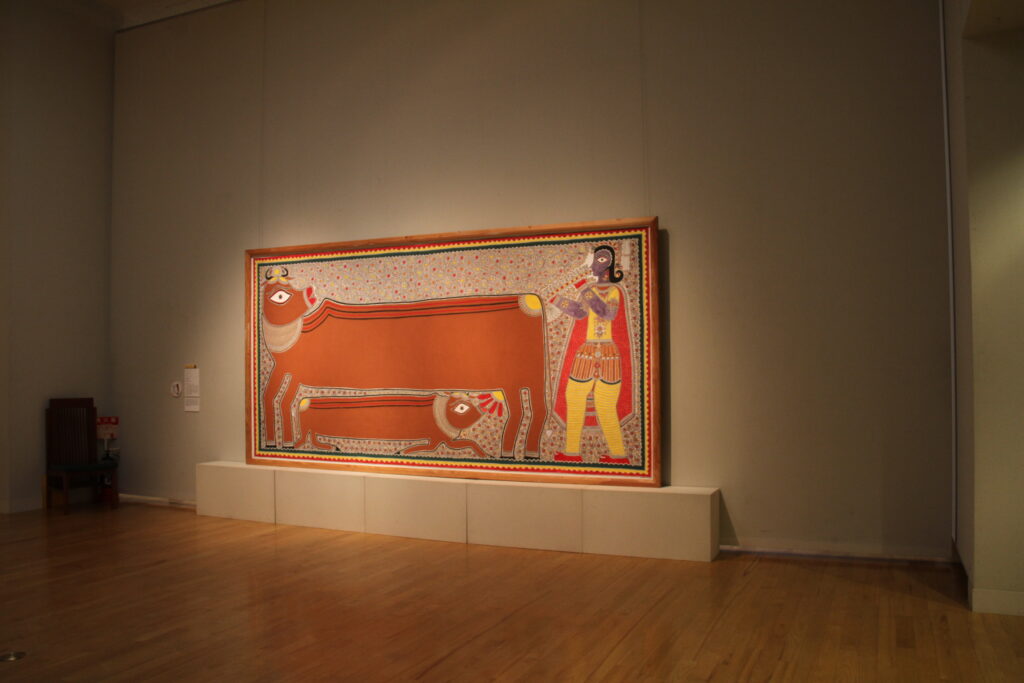
The state of Bihar, North India, has a local painting called “Madhubani painting,” or “Mithila painting.” The painting making would be passed down over generations from mother to daughter. As the piece “Krishna and Cow” shows, they have been creating vivid paintings, which focus on the local mythologies and folklore in this region. It also richly expresses their communication with the nature and animals.
As seen above, the speople have established and developed their own families, communities and culture, living in and dealing with such diversified mother nature in Asia, which is at once harsh and tender. This part of the exhibition introduces works which express the dialogues with and the resonance from the nature.
| Venue | Asia Gallery |
|---|---|
| Admission | Adult: ¥200(¥150) High School/College: ¥150(¥100) Junior High Schooland Under: Free |
| Organiser | Fukuoka Asian Art Museum |
| Contact | 092-263-1100 |