
Collecting India: Fascination with Indian Visual Culture in Contemporary Japan
- Period
- Jan 21, 2012 〜 Mar 11, 2012
- Venue
Exhibition Gallery
The Beginnings of Artistic Exchange Between Japan and India
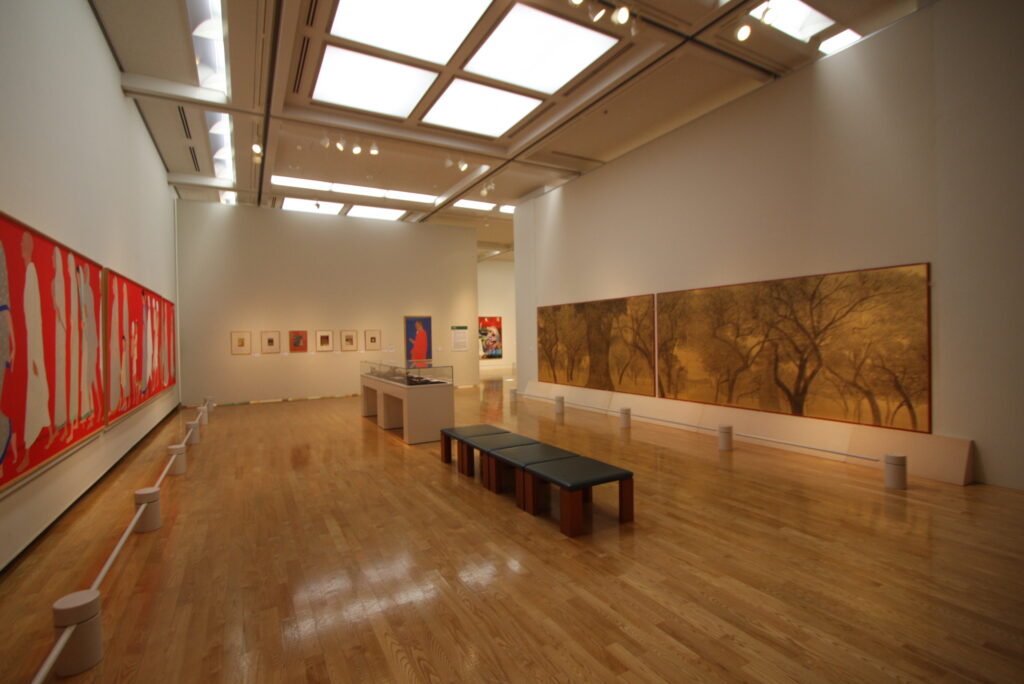
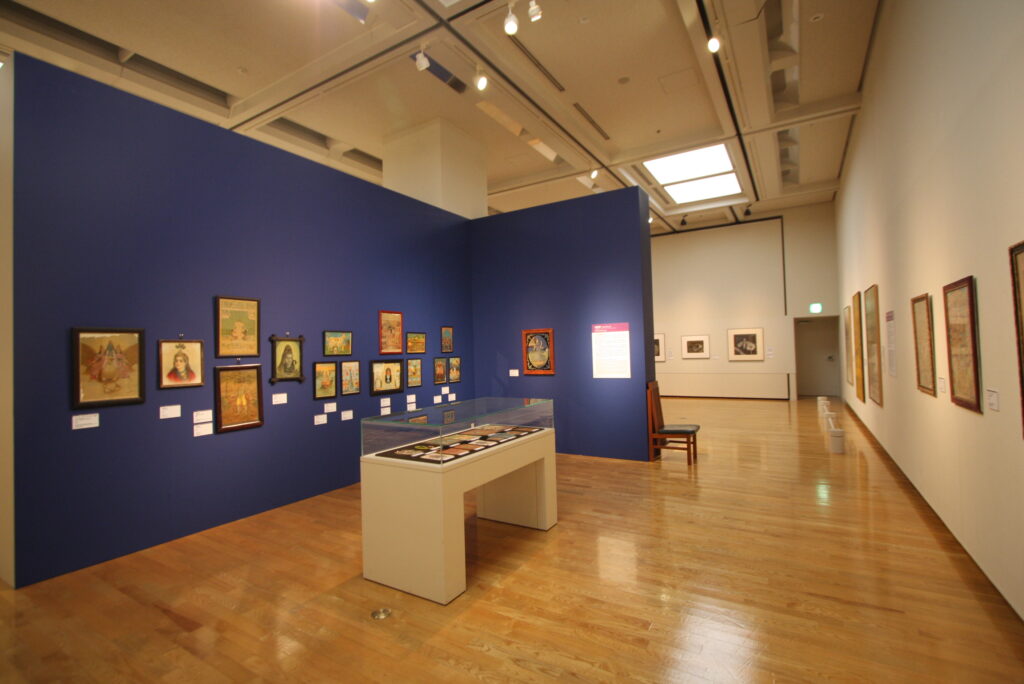
India has long been known by the Japanese through the image of Tenjiku, the birth place of Buddha, which was introduced by Buddhism. The history of art exchange began with Okakura Tenshin’s journey to India in the early 20th century and Japanese and Bengali artists’ comings-and-goings followed. On Tenshin’s advice, Yokoyama Taikan and Hishida Shunso visited the Tagores in north Calcutta (present-day Kolkata) and especially built intimacy with Abanindranath Tagore, who was an artist serving the Government School of Art, Calcutta as principal, and other Bengal School painters. Since then many Japanese artists followed the path to India paved by them and started to paint various subjects such as copying the frescoes of ancient ruins, the Buddhist and Hindu stories, and the everyday life of Indian people. The introduction illustrates the earliest days of artistic exchange between Japan and India through the works of Japanese and Indian artists at a time when the journey to India was rarely made by the majority of Japanese people.
‘India ’ Through the Eyes of Artists
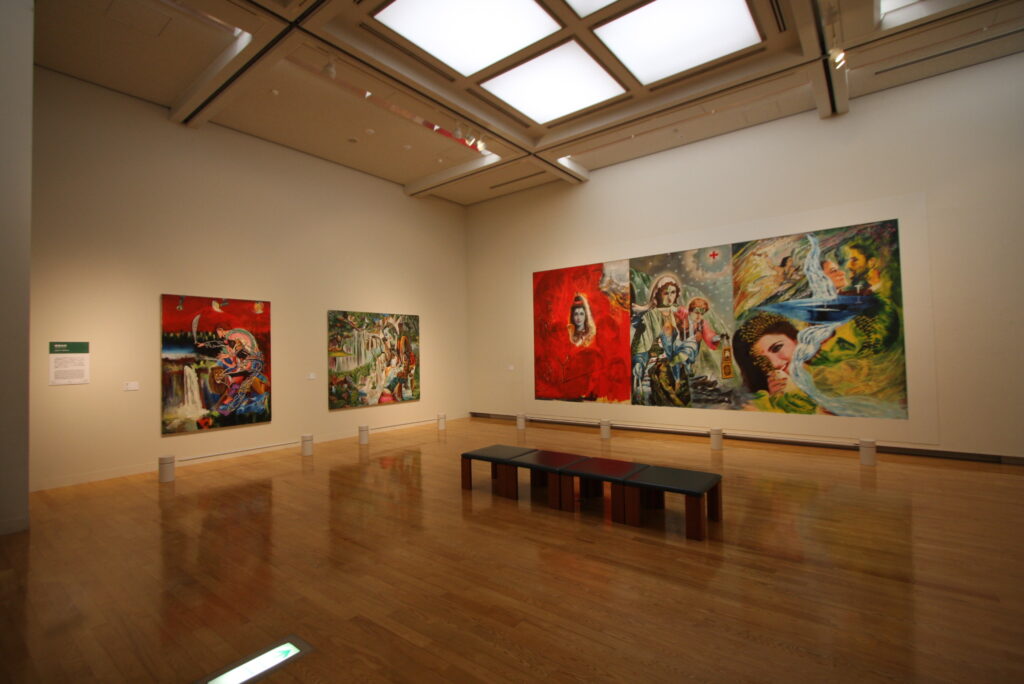
Since 1960s, Japan has been witnessing a widespread aspiration for Indian culture and spirituality and this brought many Japanese to India. This section focuses on postwar artists such as painters, graphic designers, photographers, and a cartoon artist, strongly inspired by Indian visual culture though their frequent journeys, intensive research and communion with India. The works of the artists, which made a considerable mark on the formation of the image of India in Japan, are especially displayed. How have they interpreted ‘the seeming chaos of India’? Alongside their works, the fascinating private collections of the artists such as paintings, prints, textiles and folk arts brought back from India are also exhibited. Showing the ir pieces with their collections in the same space, this part of the exhibition explores the way of the artists’ understanding and combining India with their own expression.
‘India ’ by the Collectors
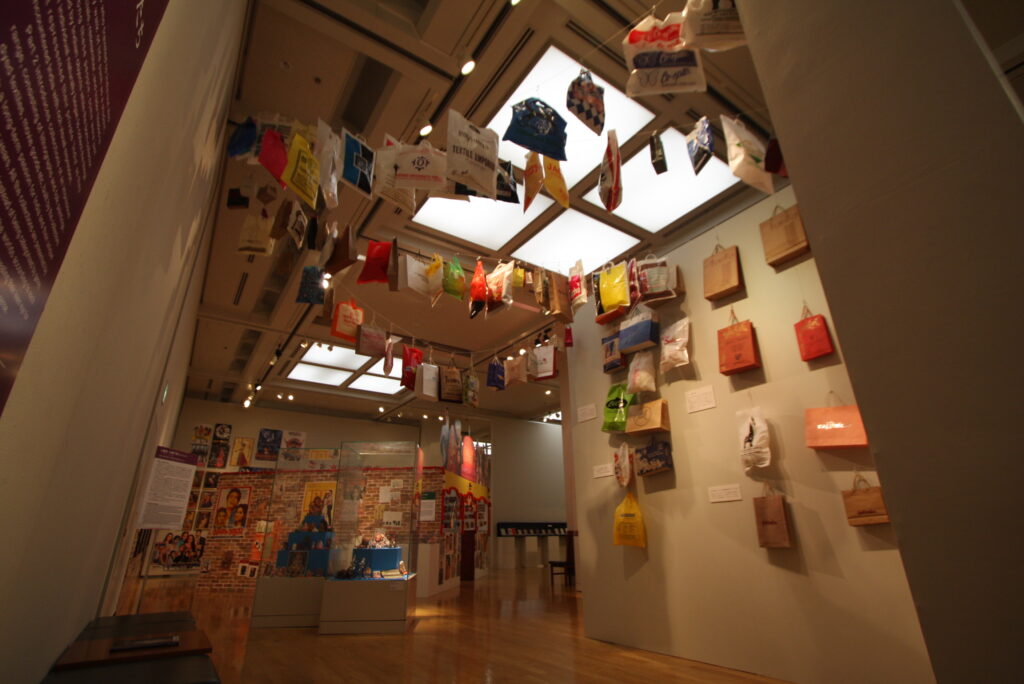
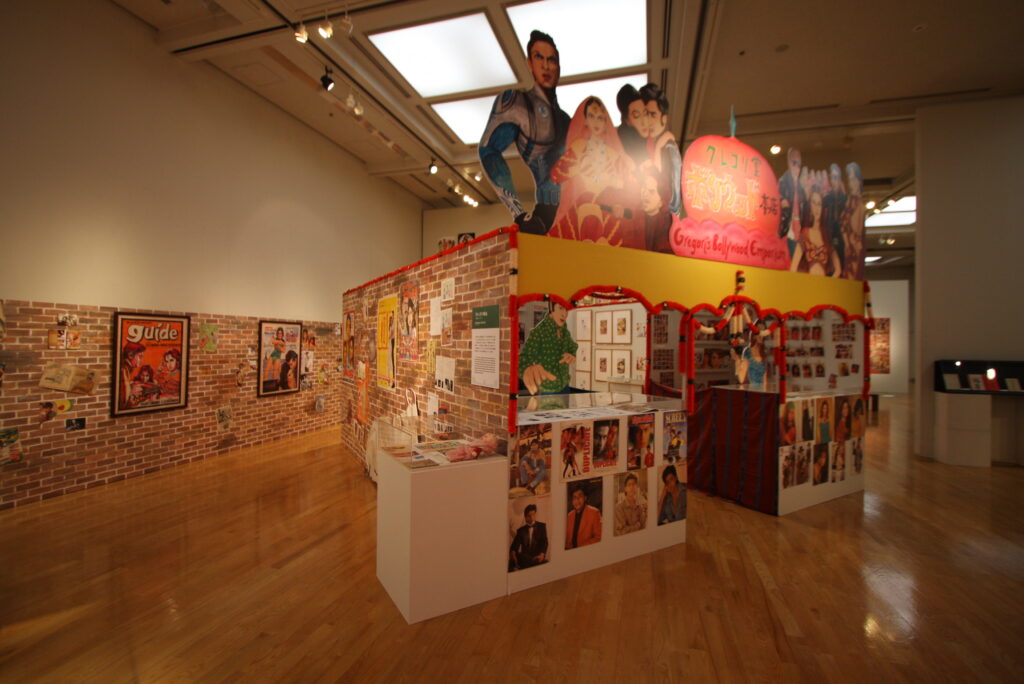
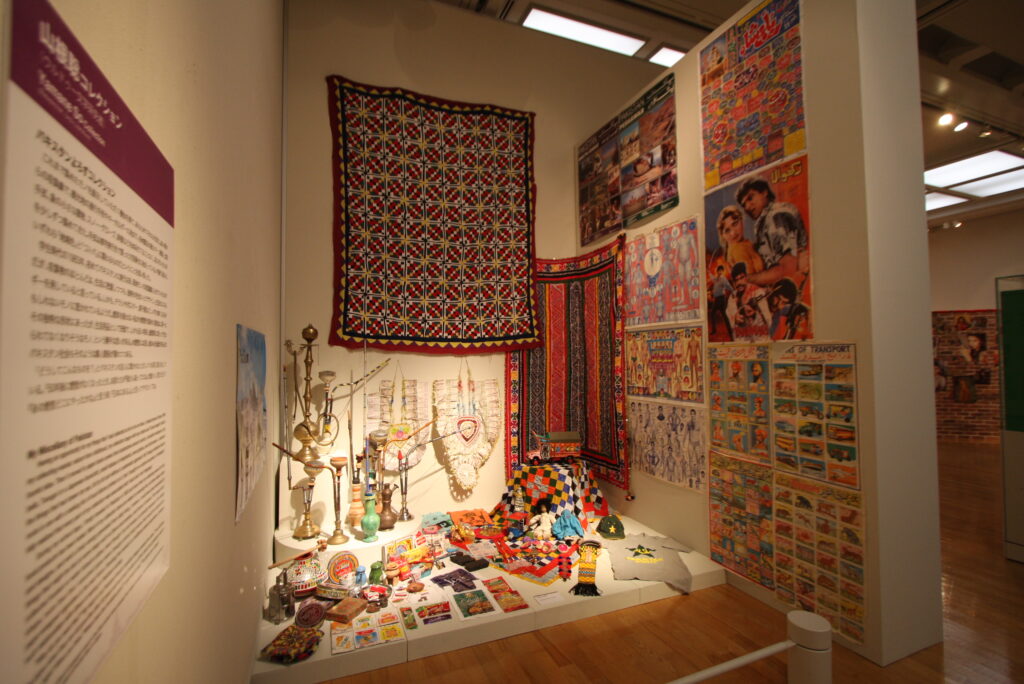
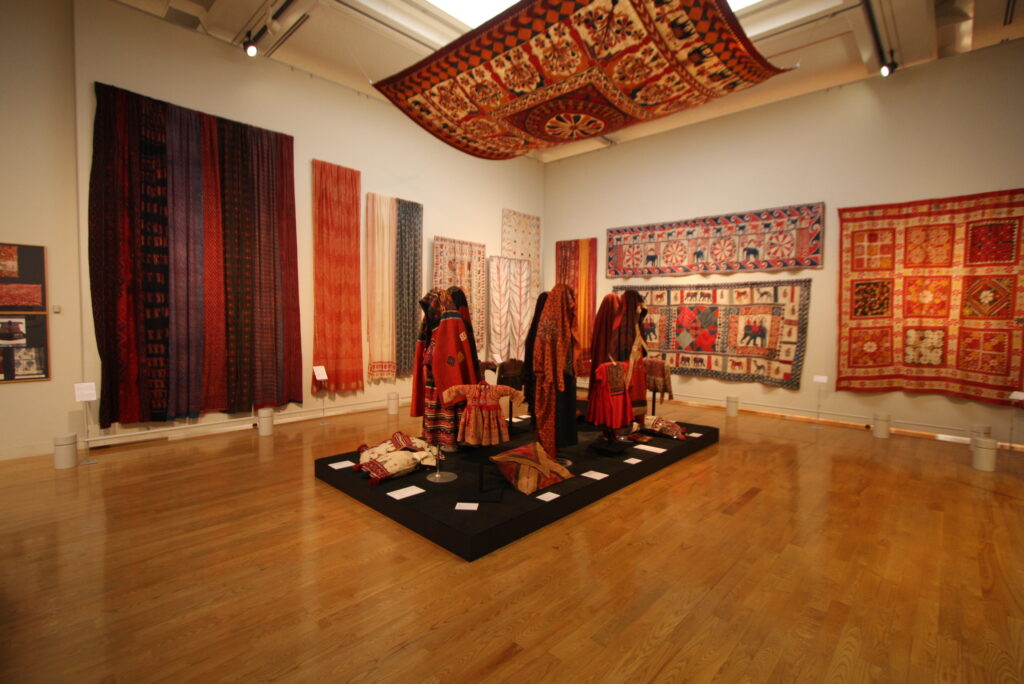
Not only artists who traveled to India but also people in every walk of life such as a student, corporate officials, researcher, and trader headed to India. Among these people, some were just fascinated by Indian objects while the born-collector type of individual naturally began to collect the things that represented their private ‘India’ as they encountered India with rich visual expression. Part 2 introduces collections of an impressive range, consisting of lithographs and folk paintings, dyed textiles, movie goods etc, built by the collectors with a long-term passion for India and their unique taste over years. All the collections are presented by each collector, instead of being categorized by genre, so as to re-create the worlds according to each collector’s mindset thus revealing their keen eye for the allurement of India and artistic sense.
| Venue | Exhibition Gallery |
|---|---|
| Admission | Adults: 800(600)/ High School and College Students: 500(300)/ Secondary School Students and under: Free |
| Organiser | Fukuoka Asian Art Museum, The Nishinippon Shimbun, and Television Nishinippon |