
Through the Peephole – The Art of Secret Viewing
- Period
- Apr 1, 2010 〜 Jun 29, 2010
- Venue
Asia Gallery A
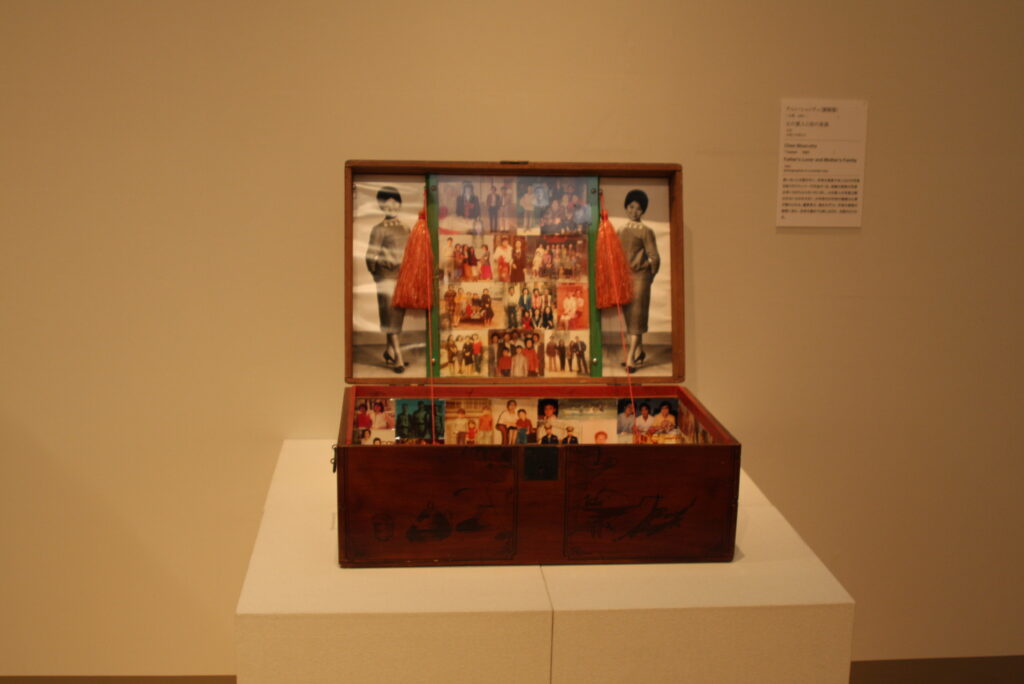
We have a different reaction to an object depending on the way we see it – openly in public or secretly through a gap or peephole. When we “peep”, we expect to find something special at the point of gaze. The situation to see something “secretly alone” allows us to feel as if the world under the gaze belongs to us, and turns action of “seeing” into more individual experience.
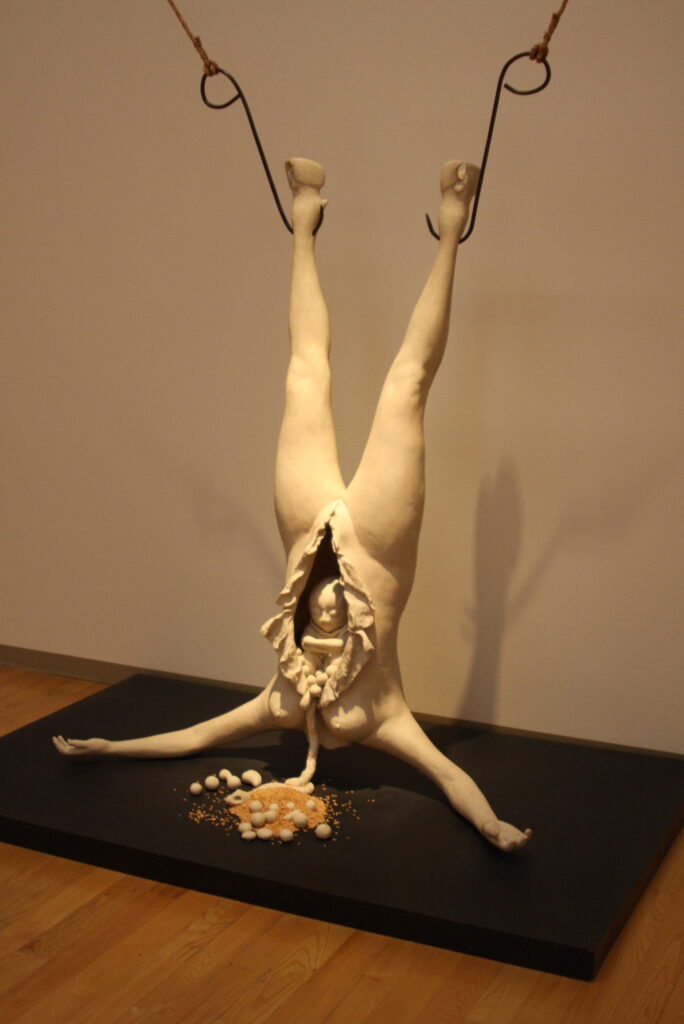
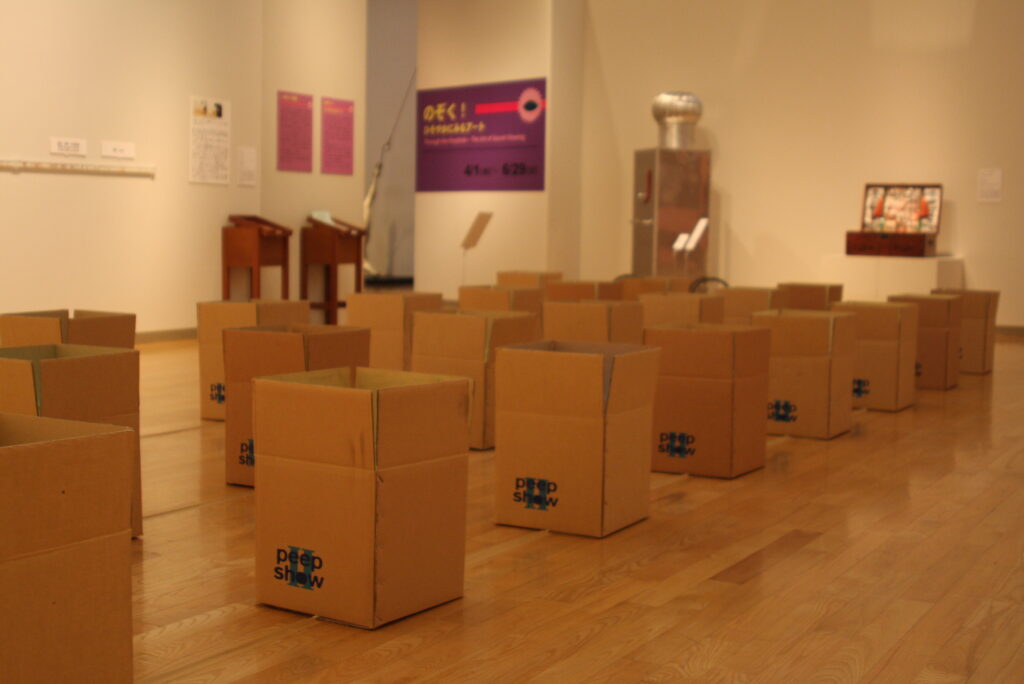
Among contemporary artworks, we can find works which employ elements of “peeping”. This exhibition explores the relationship between “seeing” and “to-be-seen” through installation, sculptures as well as paintings depicting “peepers”.
“Peeping” could put you in danger at times, but in this exhibition, please enjoy “peeping” openly and closely at the works.
Peeping
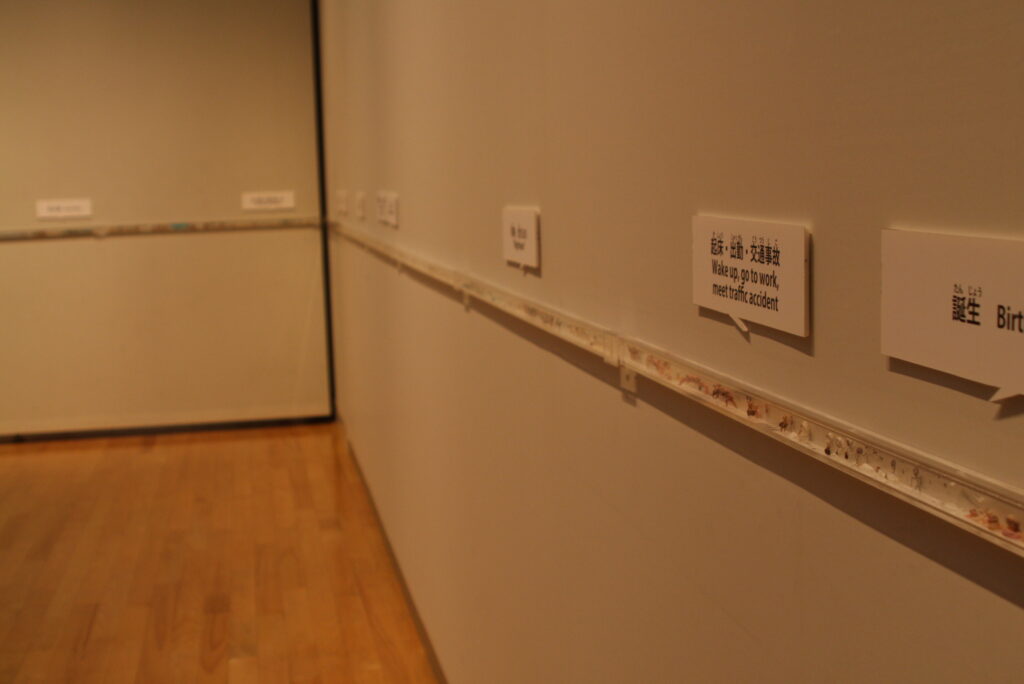
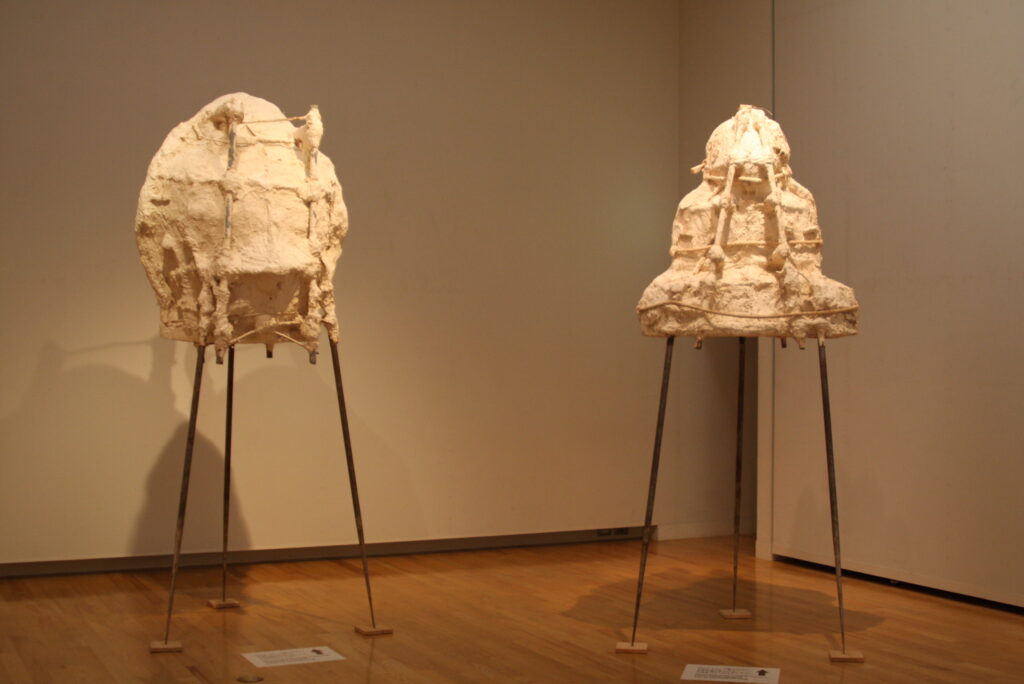
This section shows the works incorporating elements of “peeping”, but each of them carries different meaning and effect.
For example, Po Po’s work is intended to provide a personal viewing experience by which the viewers are invited to share the artist’s private memory. Meanwhile, this work also implies that there are restrictions for exhibiting and presenting contemporary art in the artist’s country, Myanmar. In Montien Boonma’s works, by peeping inside, we can feel a sense of unity with the works. In Paiman and Chen Shun-chu’s works, mirrors are used as a device to incorporate the viewers as part of the works. Only by closely approaching to the small worlds of Ham Jin and Suda Yoshihiro, the viewers can observe their lively look. The common point among the works in this section is that “peeping” becomes a method to form a closer relationship and intimate space between the viewers and the works.
Seeing and To-be-Seen
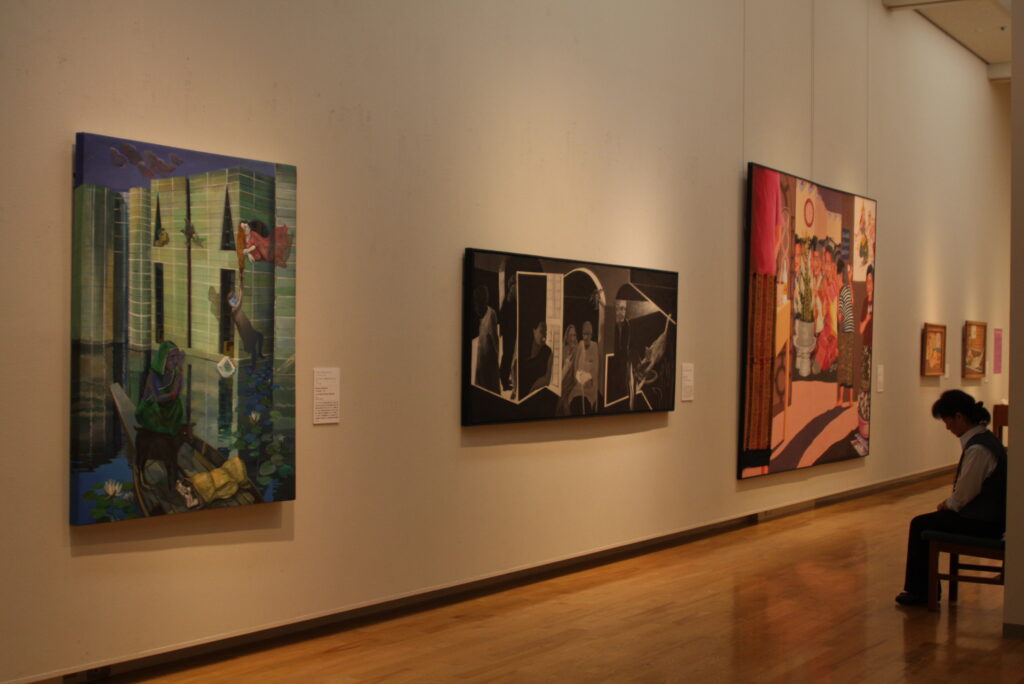
In some sense, a painting is like a kind of peeping window. The viewers can watch various scenes from a safe place without being noticed by the subject. In the first part of this section, we have the works by Mokoh and Kham Tanh which depict “peepers” within the frame. By inserting “peepers” between the viewers and the central subject, it creates a physical depth, wider context or suggestive meanings in the works.
Figures depicted in the paintings of Huang Rui and Ali Rahim see us from behind the wall, fence or through the glass. Their gaze seem to say this world that we considered as safe is actually not, and evoke some sense of unease in us or seem to be making a sincere appeal about something.
In all the works, in addition to the one-sided gaze from the viewers to the subject, the relationship between seeing and to-be-seen is shifted and made more complicated, and the very presence of the viewers seems to become a part of the artworks.
| Venue | Asia Gallery A |
|---|---|
| Admission | Adult: ¥200(¥150) High School/College: ¥150(¥100) Junior High School and Under: Free |
| Organiser | Fukuoka Asian Art Museum |