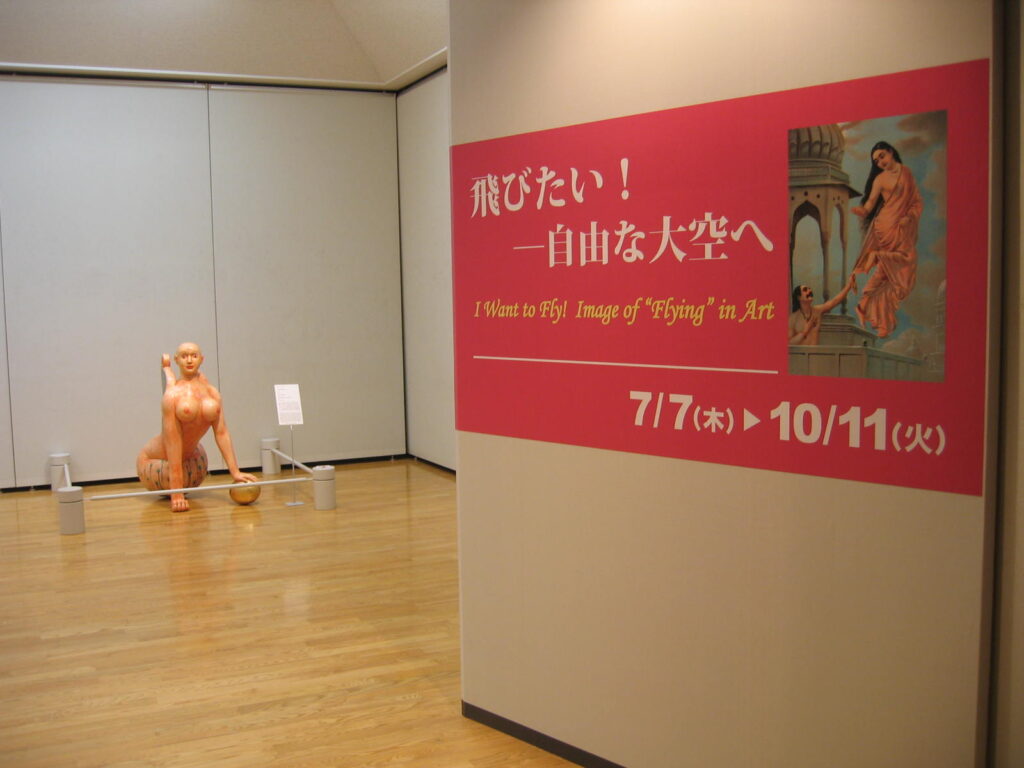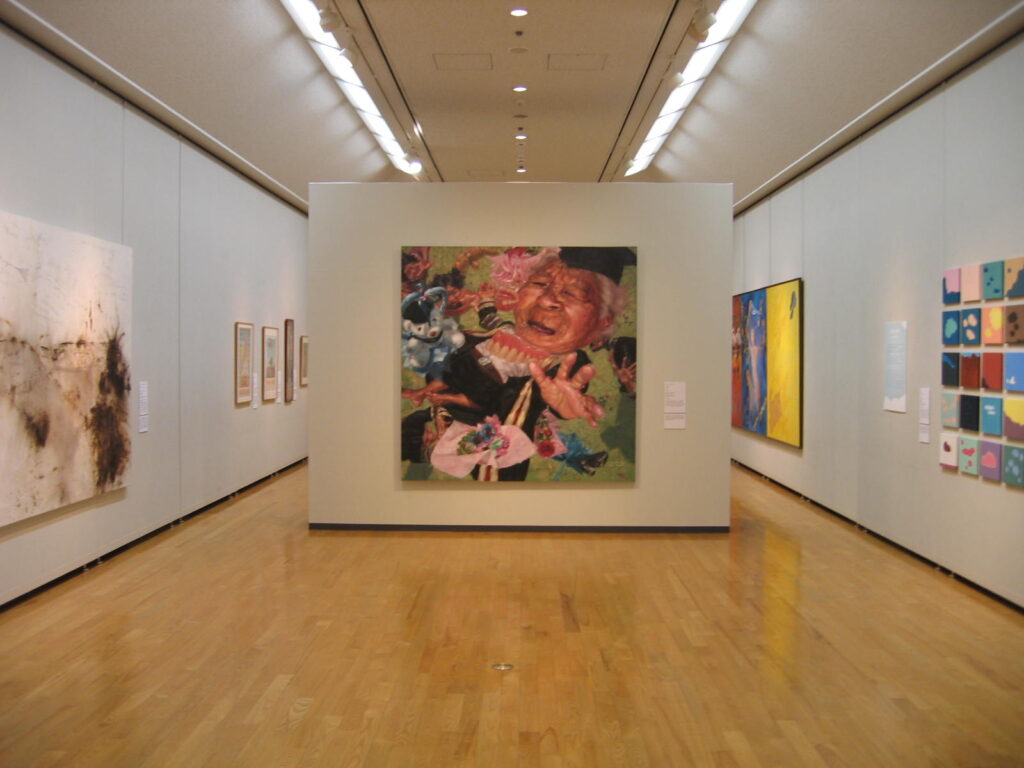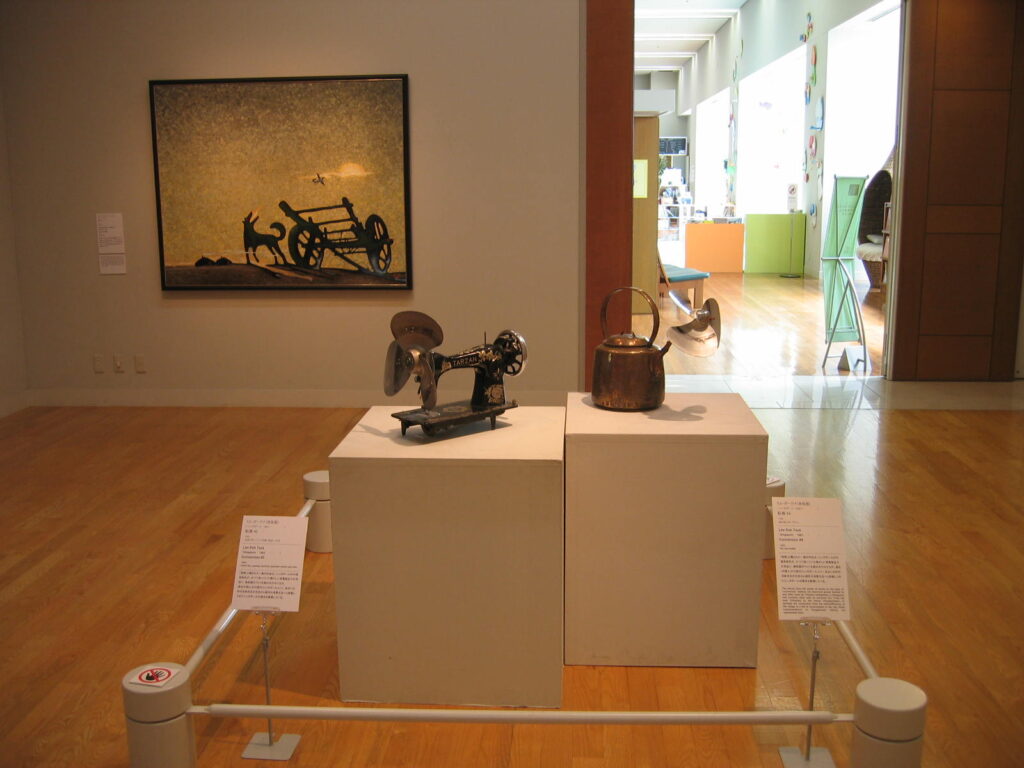

I Want to Fly! Image of "Flying" in Art
- Period
- Jul 7, 2011 〜 Oct 11, 2011
- Venue
Asia Gallery B
1.Things that fly
Throughout Asia there are many stories that tell of sacred animals and gods that can fly.
For example, in the ancient Indian epic ‘Ramayana’, the large monkey, Hanuman was able to fly across the sea to Sri Lanka. This monkey is said to be the model for Sun Wukong, the Monkey King character in the Chinese classic tale ‘Journey to the West’, and even for a character in the Japanese manga series ‘Dragon Ball’, and so is a familiar image across Asia.
In Kalimantan (Borneo) in Malaysia the Horn Bill, famous for its large colorful beak has been worshipped as a sacred bird and guardian of the forest.
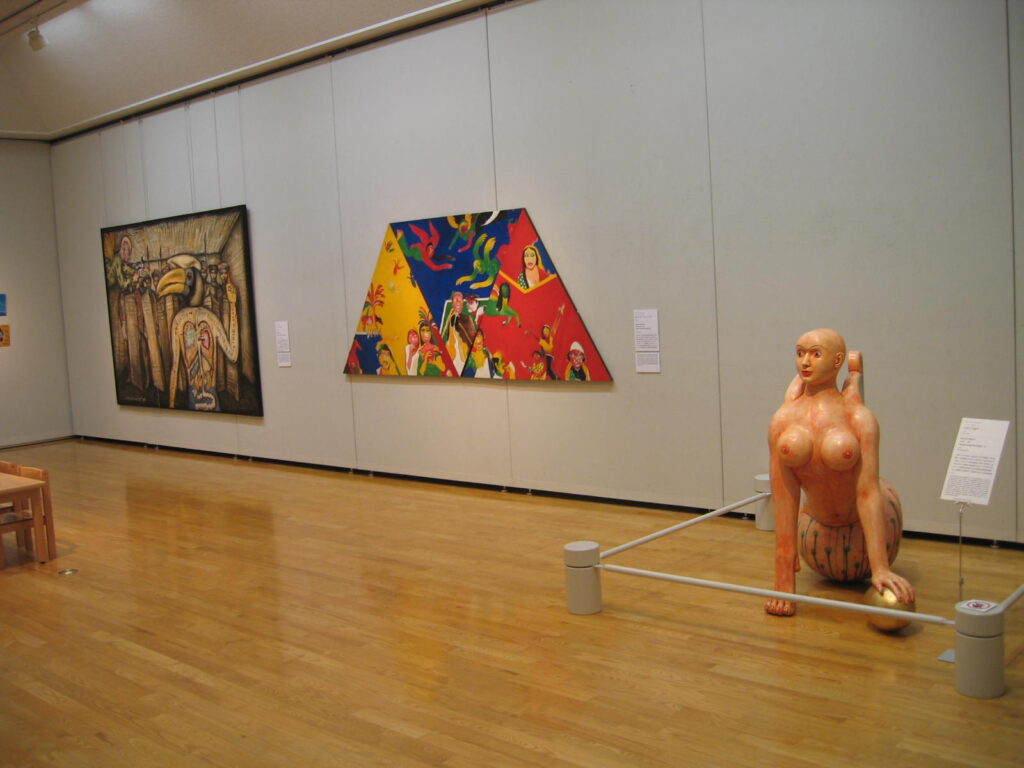
In this section we will introduce work featuring flying figures in Asian myth and legend, and produced by the creativity of Asian artists.
2.I want to fly!
Not all of the subjects in the art works here are able to fly from the start.
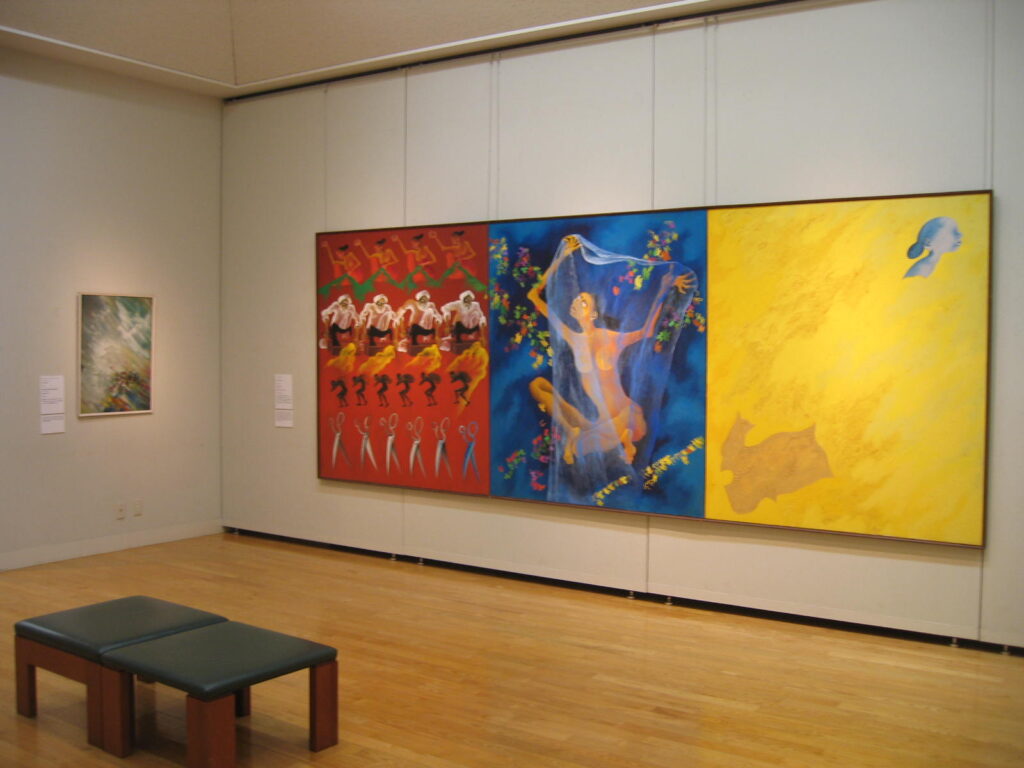
In Arpana Caur’s piece, ‘Body is Just a Garment’ a female figure is portrayed who is unable to move, perhaps due to the weak position of women and their role in society, or by the caste system of social status in India. At last, however, this woman (or perhaps her soul) screams out ‘I want to fly!’ and lifts off into the sky.
In Wu Linsheng’s ‘Bumper harvest after bumper harvest, great leap forward after great leap forward’ shows a man cheerfully flying in the air astride a rocket. This optimistic image, however, is a satirical comment on the unrealized dreams of the Chinese nation state.
In this section we present with the concept ‘I want to fly!’ as a desire for freedom or peace, and perhaps a desire to fly away towards a brighter future.
3.Let it fly
So far we have introduced a variety of flying subjects. But for a sense of flying through the sky, it is not necessary for one’s own body to fly.
In northern Thailand, for example, at the Yi Peng festival, to show thankfulness for the harvest or as prayers for sins to be cleansed, thousands of lanterns called khom loi are released into the night sky.
The Chinese artist Cai Guo-Qiang, however, sets off fireworks in order to use the flashes of light sent into space to communicate with extraterrestrials. The picture and refrigerator on display represent the design for this plan.
In this section, therefore, we introduce work containing concepts relating to sky and space.
4.Could possibly fly?
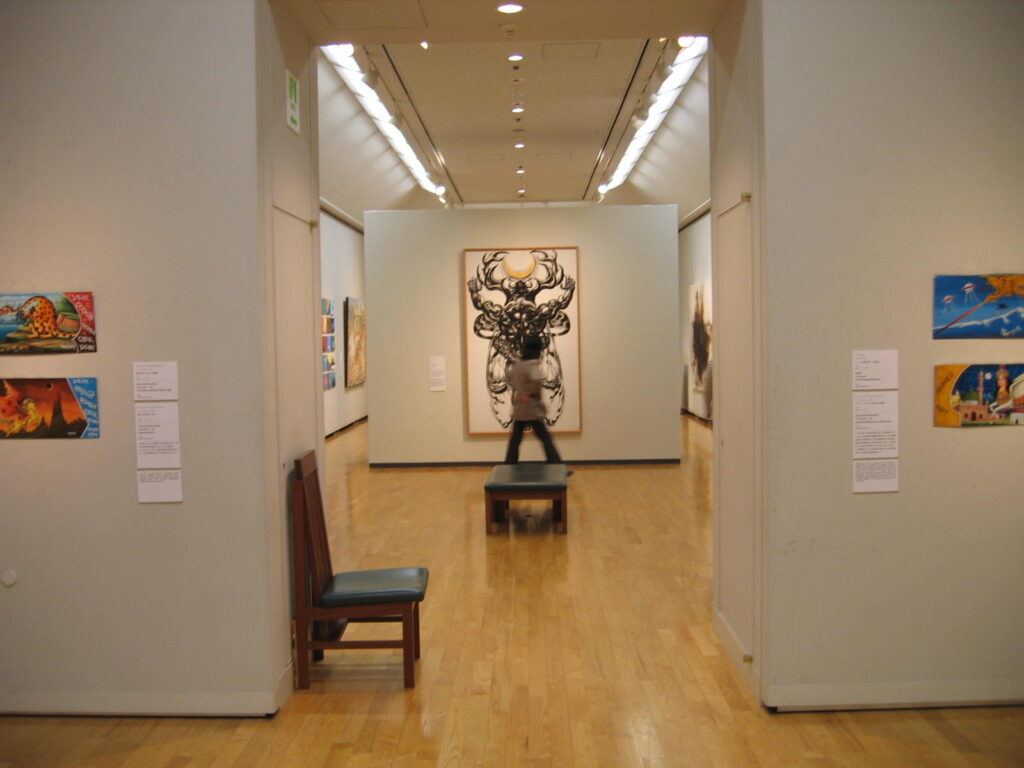
Finally we have displayed work with a variety of themes that together somehow suggest the desire to fly. This aspect maybe be a deliberate part of the artists’ pieces, or could be unintended or simply a misreading of the artistic intention. However, looking at art and appreciating it freely is one of art’s great pleasures.
We suggest that visitors first look at each piece in this section without reading the captions to gain a more personal impression.
| Venue | Asia Gallery B |
|---|---|
| Admission | Adult: ¥200(¥150) High School/College: ¥150(¥100) Junior High School and Under: Free |
| Organiser | Fukuoka Asian Art Museum |
| Contact | Fukuoka Asian Art Museum |