Where "The Fawn" Lives
- Folk Arts and Asian Art
- Period
- Oct 3, 2013 〜 Dec 25, 2013
- Venue
Asia Gallery A
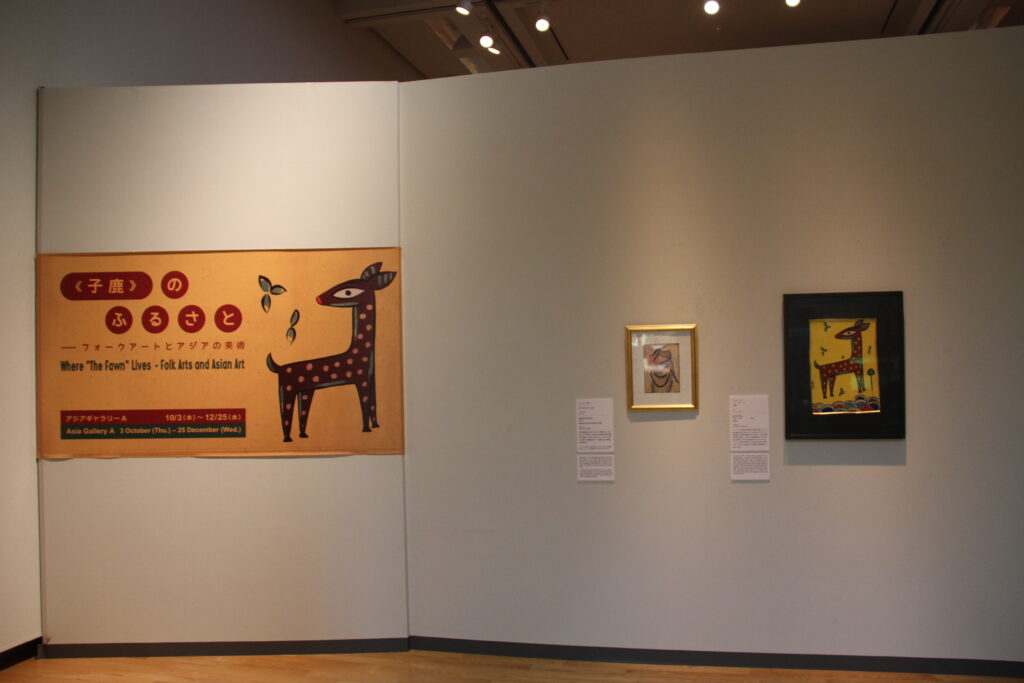
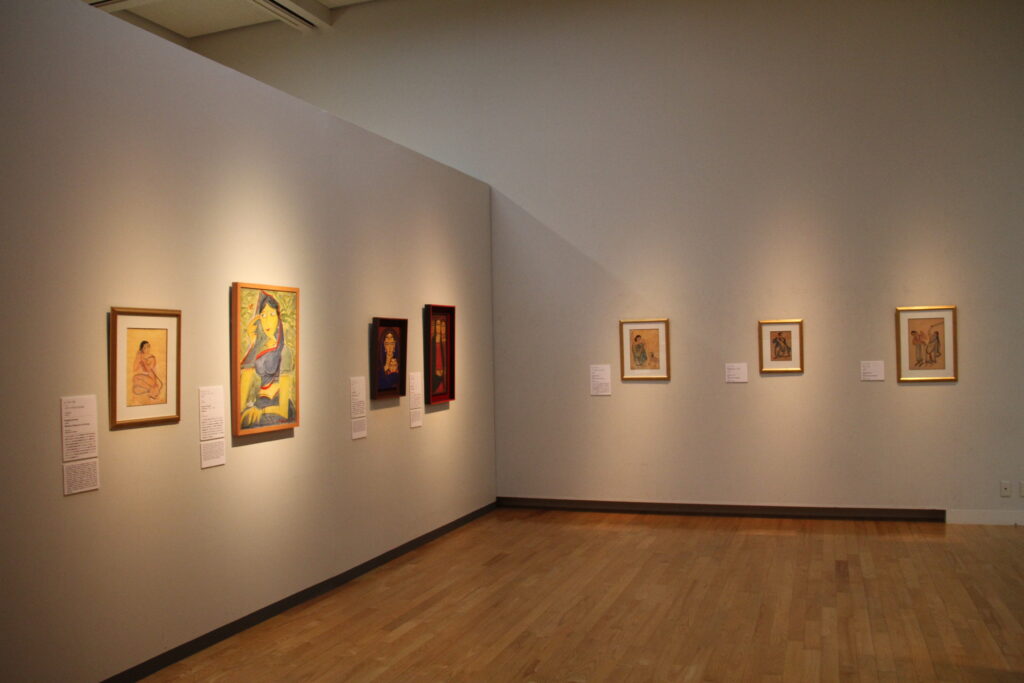
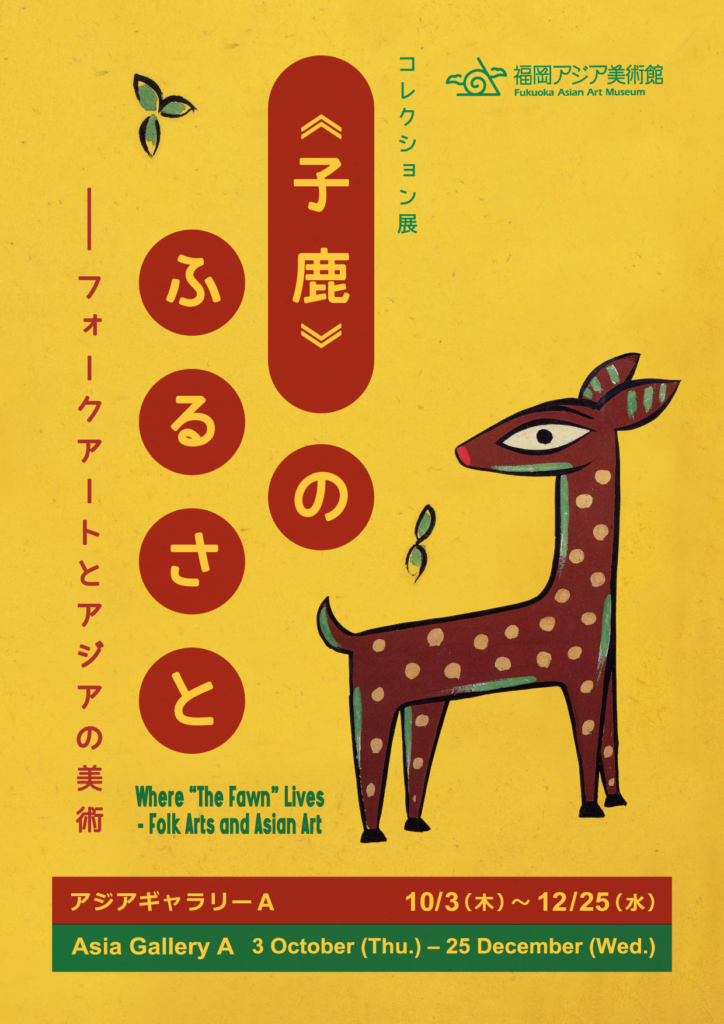
“The Fawn” is FAAM’s adorable mascot. “The Fawn” was created in rural Bengal, eastern India in the early 1940s. Its distinguishing characteristic is the large, almond shaped eyes and the stout body drawn with almost a single and strong stroke of the brush. Jamini Roy, studied western art formally at the Government College of Art & Craft in Calcutta (presently Kolkata) subsequently rediscovered Bengali folk art, before carving out his own original style. Drawn on limited palettes, and abbreviated bold touch of the simple folk paintings called “Pata,” sold in front of the Kalighat Temple as well as other sources, his style became popular and has then been continued by a great number of followers .
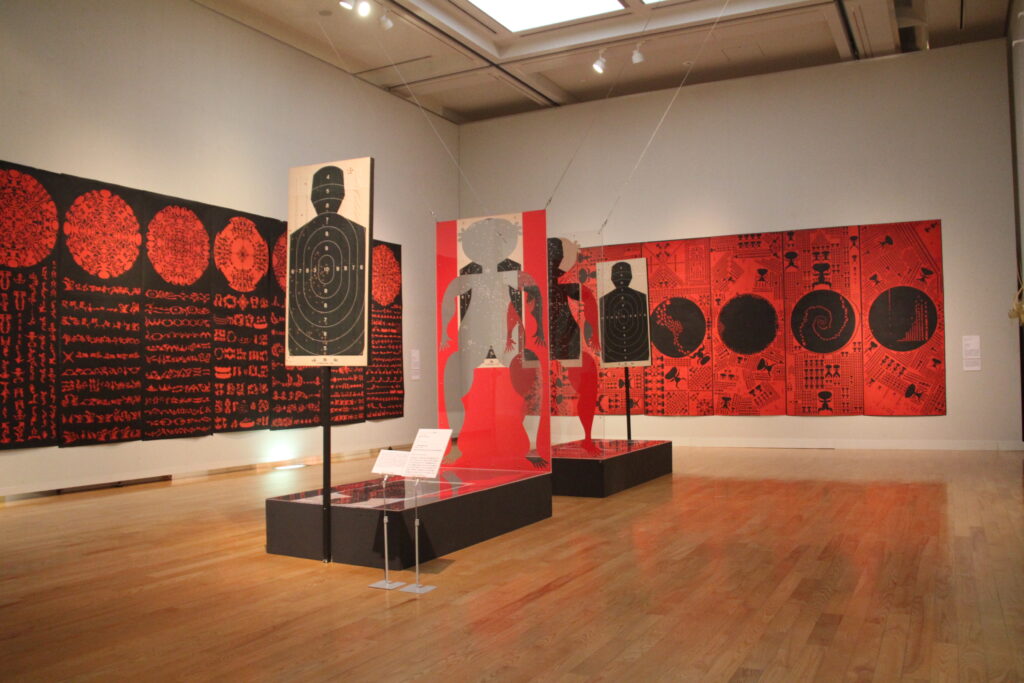
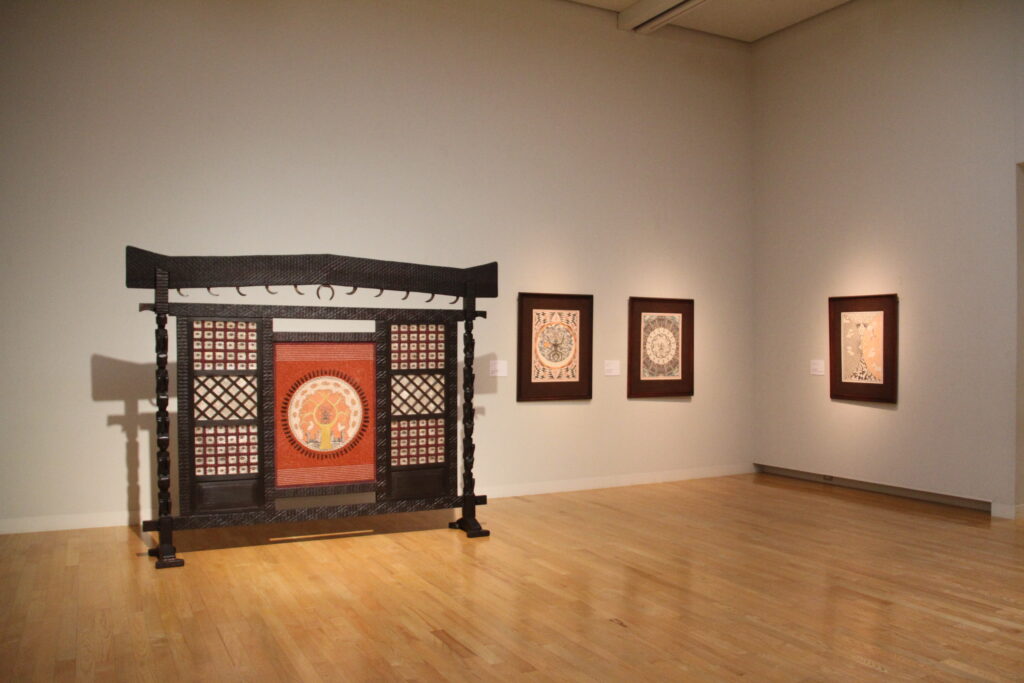
Like Jamini Roy, some artists, who formally studied art at an academic art institute, such as university or collage, have made an attempt to incorporate the styles or the techniques of folk arts, which had been created and fostered by local artisans and people, in their artworks while they were deeply learned it. Such approaches were made not in India alone, but across Asia. Especially during the post-colonial time, Asian countries witnessed the creation of artworks, which questioned their own identities as an Asian, as well as featured inherent manifestations of Asian culture and tradition. Furthermore, with the advancement of the mass consumption society in the 90s and the arrival of the overwhelming globalization, the criticism of unilateral impacts arisen from these changes became a major subject of such works. And the artists’ attitude to search for their own life is also clearly reflected in their works.
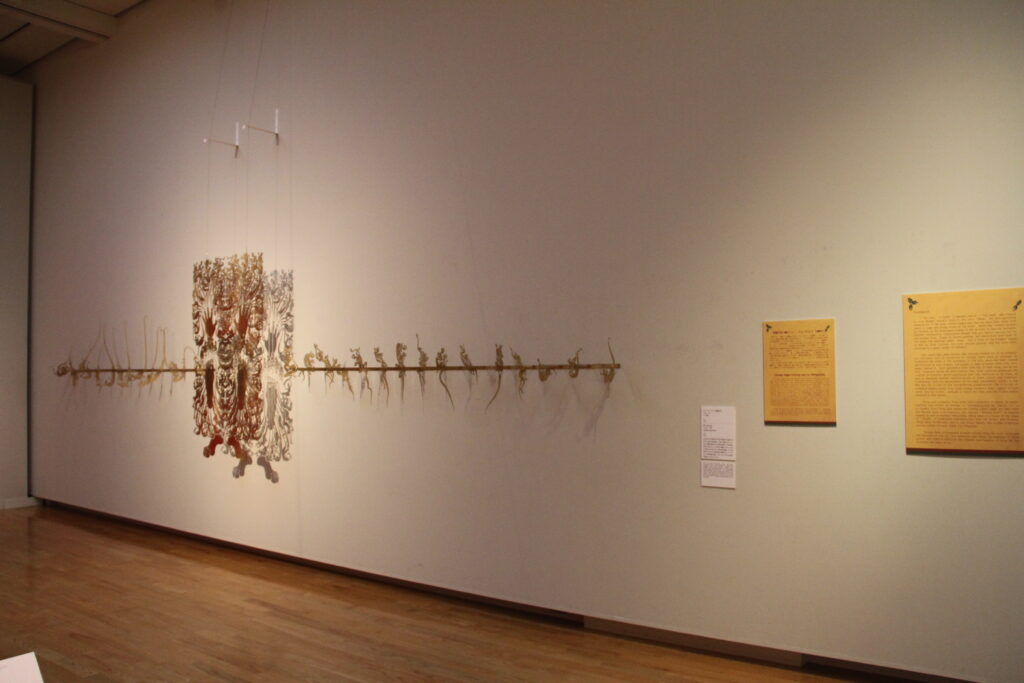
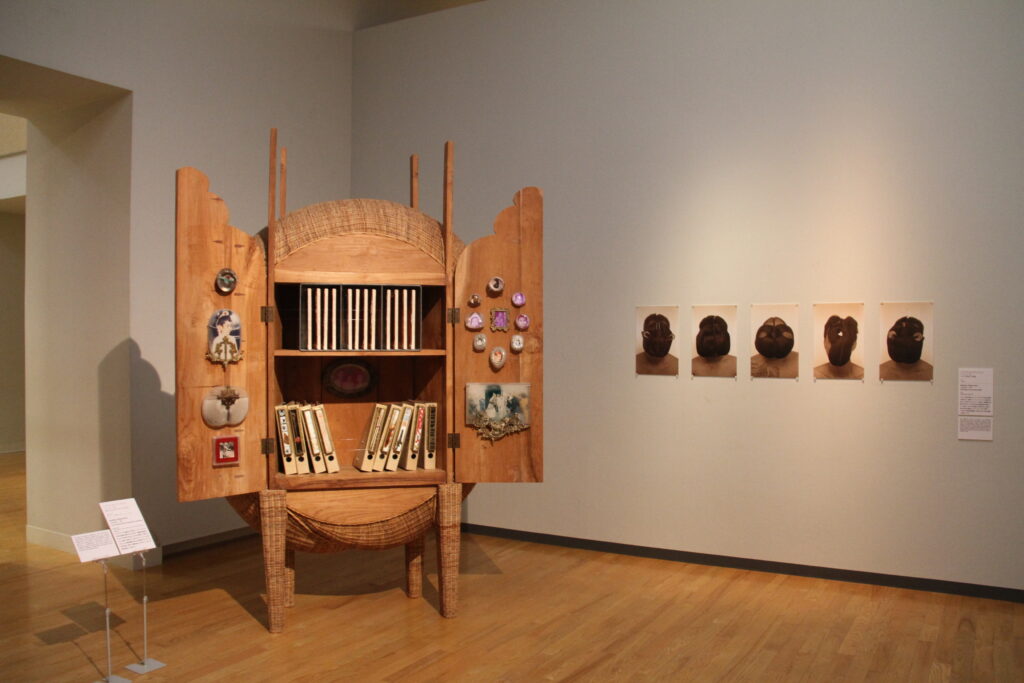
Along with artworks from India, this exhibition of about 20 works features nine artists as follows; Lu Shengzhong and Wu Jian’an, Lu’s ex-student, from China, who researched Chinese cutout paper art, Heri Dono and Haryadi Suadi from Indonesia, who learned “Wayang kulit” or shadow puppets as well as Nindityo Adipurnomo, whose piece is a fusion of the shape of “Konde” or traditional Indonesian hair knot for women and Javanese rattan work. Furthermore, here is John Frank Sabado, who studied traditional mystical culture of Luzon Island, the Philippines.
Through these contemporary artworks incorporating the style, techniques and materials of folk art, this exhibition also shows the endeavor of these artists, who tried to rediscover the inherent manifestation of Asian art and re-created the charm of art.
| Venue | Asia Gallery A |
|---|---|
| Admission | Adult: ¥200(¥150) High School/College: ¥150(¥100) Junior High School and Under: Free |
| Organiser | Fukuoka Asian Art Museum |
| Contact | Fukuoka Asian Art Museum Tel: +81(0)92-263-1100 Fax: +81(0)92-263-1105 |